To learn Fula, there's no secret: you have to practice.


✓ 7-day free trial • ✓ No commitment • ✓ Certified native teachers

Your native Fula teacher
Regular live classes in small groups. Ask questions, practice conversation, progress fast.
You speak Fula every week, with a native teacher
You join whichever slot suits you, with nothing to book. The joining link arrives by email, and the session is recorded.
- 4 slots this week, across all three levels
- 2 to 5 students per class, all at your level
- Replay available the same evening, with no time limit
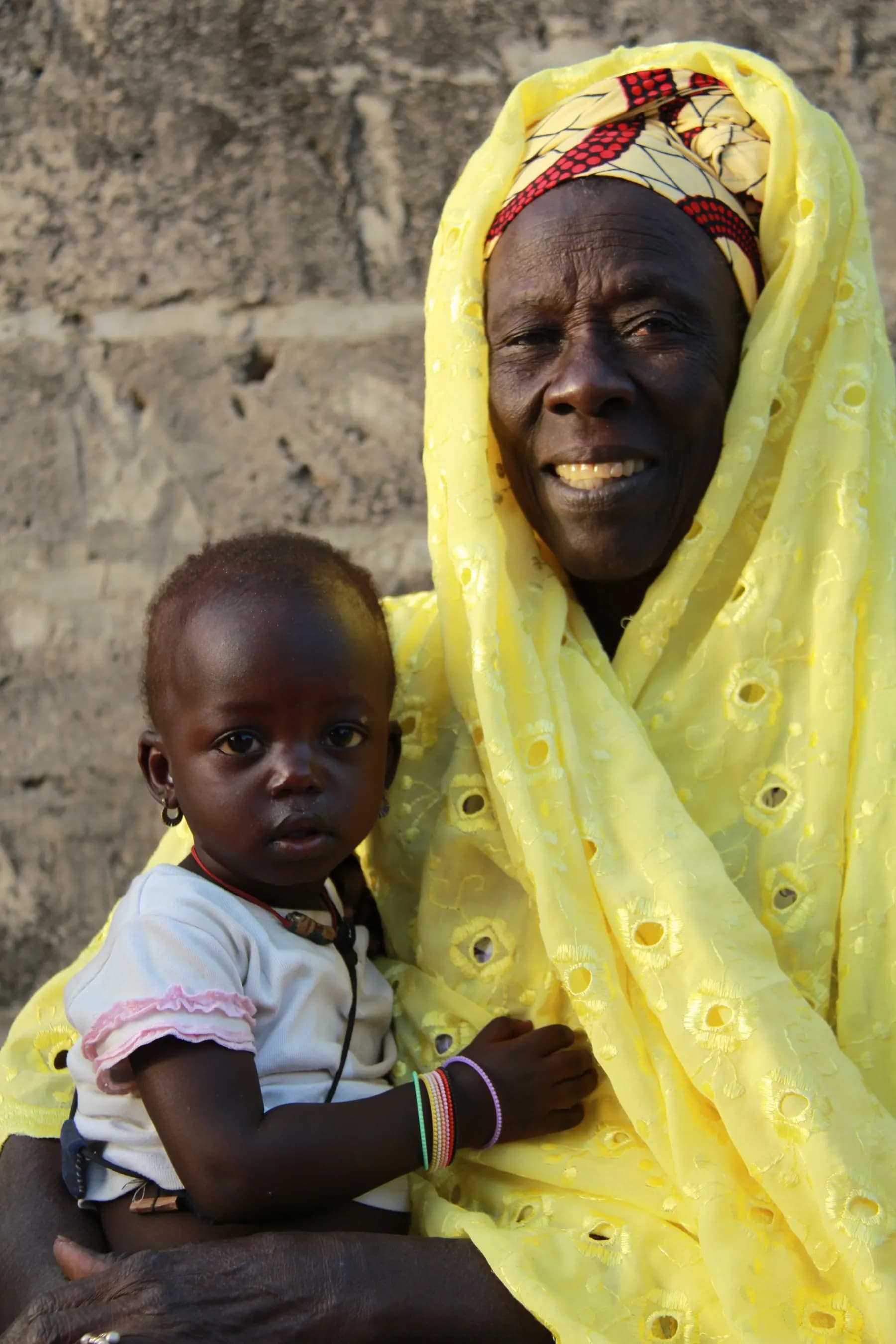
Reconnect with Fula
The language of your parents, your grandparents or your partner. The one you want to pass on to your children.




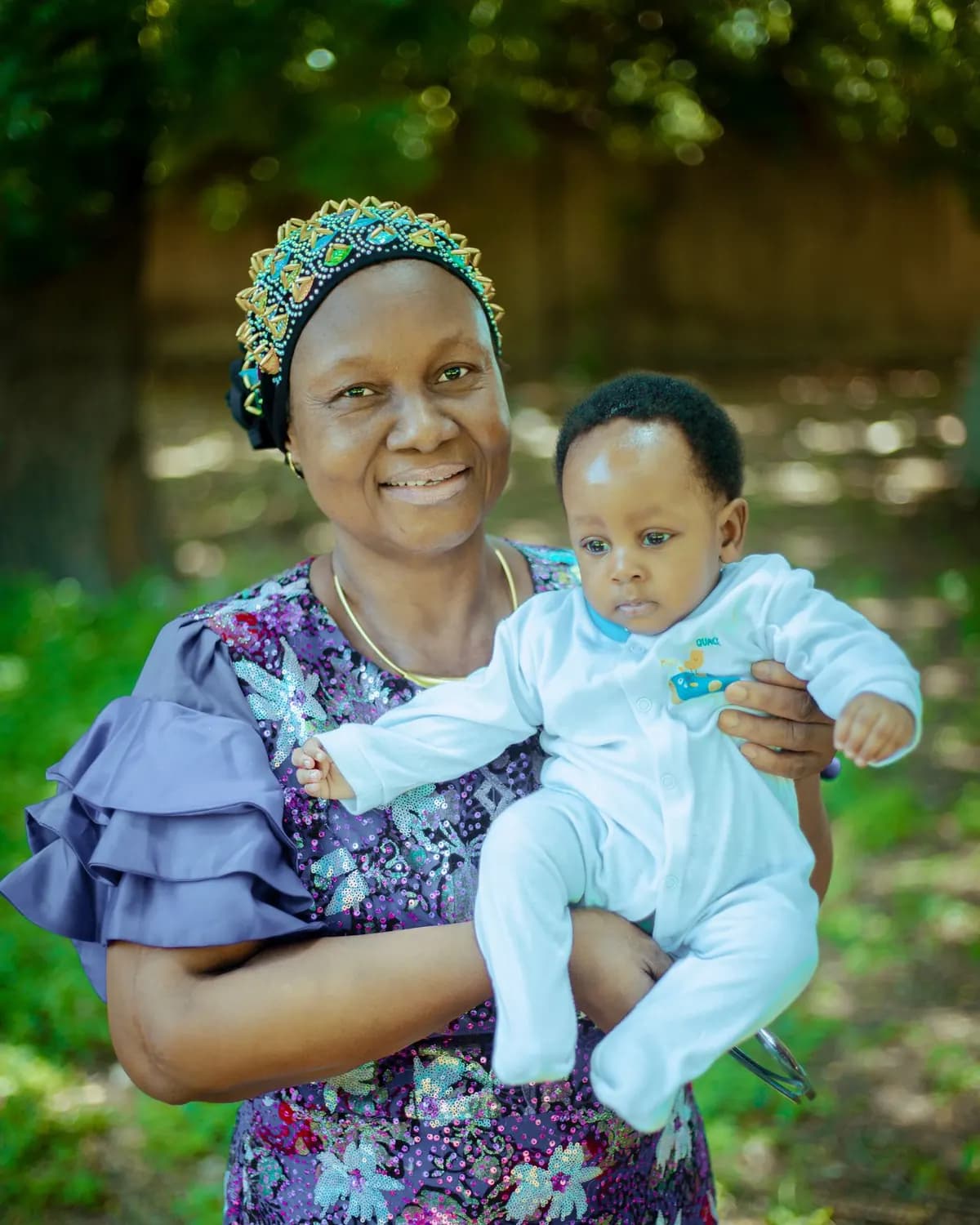
- Finally understand what is said at the table, and answer back.
- Your in-laws speak Fula to you. Answer them in Fula.
A language is passed down from generation to generation. Now it is your turn.
Start for freeProgress in Fula between classes, at your own pace
Interactive lessons with native audio, vocabulary, dialogues and quizzes. Everything you need to reinforce your skills between live sessions.
Between classes, you move forward twenty minutes a day
Lessons follow one another in order, with no evening to set aside. Every word is recorded by a native speaker.
- 263 lessons across 40 modules, from beginner to advanced
- Native audio on every word, with a slow-down button
- Your progress is kept, on phone and on computer alike
You hear the language as it is actually spoken
The recordings are made by native speakers, not by a synthetic voice. The slow-down button separates the sounds when it goes too fast.
- Every sentence can be played and slowed down
- The transcription and translation sit under the audio
- You replay it as many times as you need, with no limit
Every module ends with a quiz, not with a ticked box
You are corrected on the spot, with the explanation. A failed quiz can be retaken, with no penalty and no record.
- Immediate correction, with the right answer explained
- An end-of-level test opens the next level
- A level certificate at the end of the course
Your Fula level, certified in your name
- Issued once you have passed every lesson of a level: beginner, intermediate or advanced
- Downloadable as a PDF and shareable on LinkedIn
- A unique number, verifiable online on targumi.com
- Included in the plans with live classes, from the first payment: it is not issued during the trial
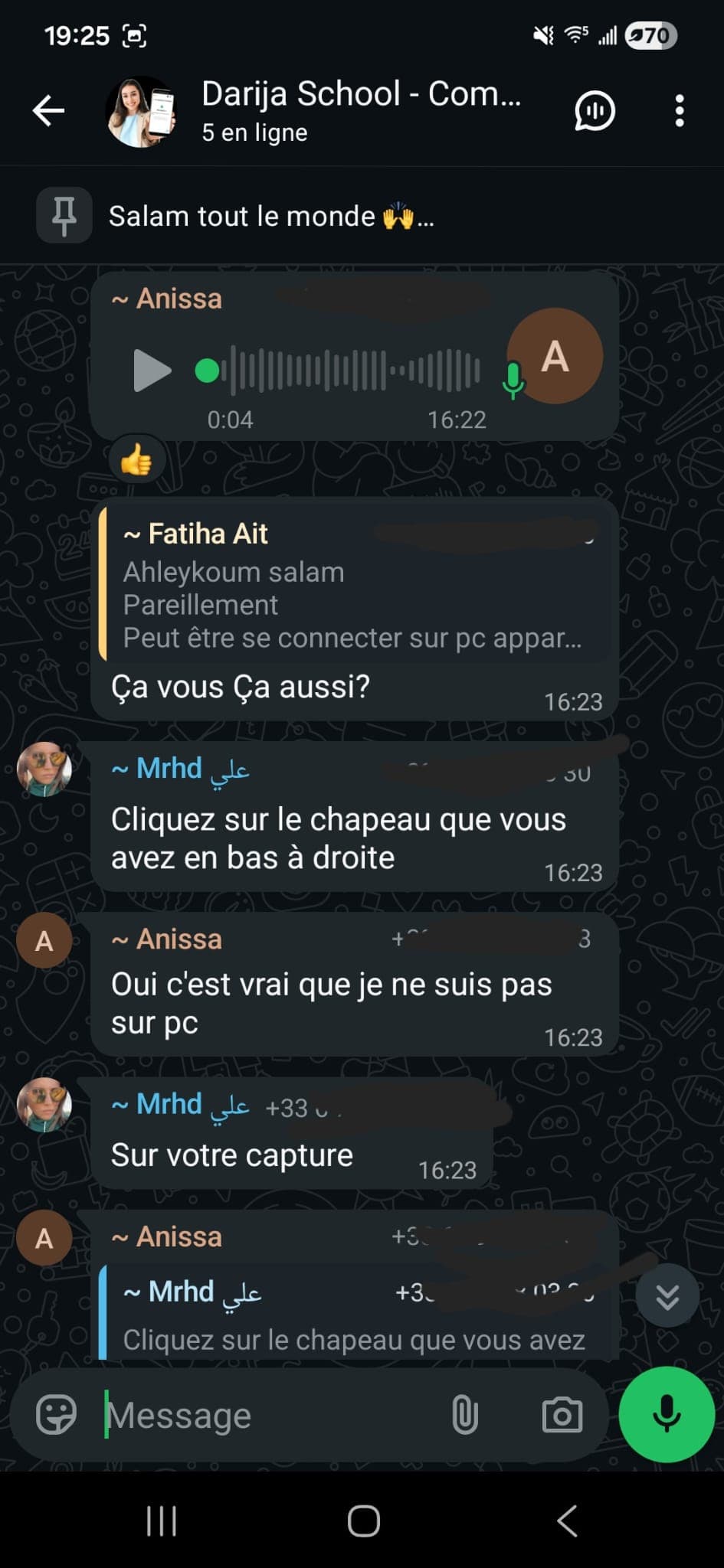
Join Targumi's Fula community
Dedicated WhatsApp group, exchanges between learners, resource sharing. You're never alone in your learning journey.
Start for freeFree · No time limit · Native speakers present
Your Fula curriculum
Exactly what you'll find inside the platform: 40 modules, 263+ structured lessons, quizzes and exercises.
- Oncle et tante , Kaawu e yaaye10 min
- Les possessifs , Am, maa, mum12 min
- + 3 more
- Aliments de base , Mburu, maaro, gawri10 min
- L'eau et les boissons , Ndiyam10 min
- Fruits et légumes , Ɓiɓɓe leɗɗe10 min
- Au marché , Jeere10 min
- Acheter et vendre , Soodde e yeeyde12 min
- + 3 more
- Tête et visage , Hoore10 min
- Le corps , Ɓandu10 min
- Aller bien, aller mal , Jam e muuso10 min
- Avoir mal , Muusde10 min
- Chez le médecin , Janngirde nyawu10 min
- + 3 more
- La maison et la concession , Suudu e galle10 min
- Vivre et habiter , Wonde galle10 min
- Objets de la maison , Kuutorɗe galle10 min
- Dormir et se réveiller , Ɗaanaade10 min
- Actions quotidiennes , Gollotooɗe ñalawma10 min
- + 3 more
- La route , Laawol10 min
- Demander la direction , To?10 min
- Moyens de transport , Puccu, oto10 min
- Arriver et partir , Yawtude e yahde10 min
- Voyager loin , Yaade ɓooyi10 min
- + 3 more
- Le bétail , Nayi10 min
- Petits animaux , Mbeewa, mbaalu, gertogal10 min
- Cheval et âne , Puccu e mbabba10 min
- Oiseaux et poissons , Colel e liingu10 min
- Arbres et plantes , Leɗɗe10 min
- + 3 more
- Compter de 1 à 5 , Go'o haa joyi8 min
- Compter de 6 à 10 , Jeegom haa sappo8 min
- De 11 à 20 , Sappo e go'o haa noogas10 min
- Les jours , Ñalɗi10 min
- Saisons et temps long , Ndungu, ceeɗu10 min
- + 3 more
- Être et avoir , Wonde e jogaade10 min
- Aller, venir, partir , Yahde, arde10 min
- Faire et prendre , Waɗde e ƴettude10 min
- Voir et entendre , Yi'de e nande10 min
- Parler , Wowlude10 min
- + 3 more
- Pronoms sujets , Mi, a, o10 min
- Poser des questions , Honɗum, hol, no10 min
- Démonstratifs , Nde, ngo, ɗum10 min
- La négation , Alaa, -aay10 min
- Classes nominales , Suffixes -o, -ɓe, -nde12 min
- + 3 more
- Couleurs de base , Ɓaleejo, ranwo, boɗeejo10 min
- Variantes de classes , Ɓaleejo / ɓaleeri12 min
- Décrire une personne10 min
- Tailles et formes10 min
- Bon ou mauvais , Moƴƴo, bonɗo10 min
- + 3 more
- Formules de politesse , Pulaaku12 min
- Se présenter , Mi woni Pullo10 min
- + 2 more
- Les métiers , Golle yimɓe12 min
- La transhumance , Eggol14 min
- Le troupeau , Jawdi e nayi12 min
- Agriculture , Demal12 min
- Chercher du travail , Ɗaɓɓude golle12 min
- + 3 more
- La migration et la vie nomade peule12 min
- Proverbes et poésie peule10 min
- Les radios pulaar , Rajooji Pulaar12 min
- Télévision et internet , Tele e enteneet12 min
- Presse écrite , Ɗerewi habaru12 min
- Musique pulaar moderne , Yimre kese12 min
- Réseaux sociaux , Lawi yimɓe12 min
- + 1 more
- Les pays peuls , Leyɗe Pulɓe12 min
- Le village peul , Wuro Pulɓe12 min
- Démocratie et vote , Suɓɓo12 min
- Paix et conflits , Jam e kareeli14 min
- Justice traditionnelle , Ñaawal12 min
- + 2 more
- Richesse et bétail , Ngalu e nayi12 min
- Marché aux bestiaux , Jeere nayi12 min
- Le mil et les céréales , Gawri e ñaame12 min
- Coopératives rurales , Pelle remmooɓe12 min
- Crédit et microfinance , Ƴamol e bank12 min
- + 2 more
- L'école , Janngirde12 min
- Alphabétisation pulaar , Janngude Pulaar12 min
- Université , Janngirde mawnde12 min
- Coran et arabe , Alkuraan e Carab14 min
- Multilinguisme , Luggi ɗuuɗɗi12 min
- + 2 more
- Poésie pulaar , Gimi Pulaar12 min
- Les griots peuls , Awluɓe e gawlo12 min
- Musique traditionnelle , Yimre aaɗa12 min
- Contes peuls , Tinndi12 min
- Proverbes peuls , Ñaalanɗe12 min
- + 2 more
- Le Sahel , Sahel12 min
- Sécheresse et climat , Yoorre e weeyo12 min
- Flore , Leɗɗe e huɗo12 min
- Faune , Kullon ladde12 min
- L'eau et les fleuves , Ndiyam e maaje12 min
- + 2 more
- Anatomie , Ɓandu neɗɗo12 min
- Les maladies , Ñabbuuji12 min
- Grossesse et naissance , Reedu e ɗum jibinde12 min
- Médecine traditionnelle , Safara aaɗa12 min
- Alimentation , Ñaametee12 min
- + 2 more
- CEDEAO et Sahel , CEDEAO e Sahel12 min
- Diaspora peule , Pulɓe daawal12 min
- ONU et ONG , ONU e fedde wallooje12 min
- France et pulaar , Faraans e Pulaar12 min
- Monde arabe et islam , Carab e juulɓe12 min
- + 1 more
- Le Pulaaku , Pulaaku ɓuruɗo14 min
- Munyal , La patience12 min
- Semteende , La pudeur12 min
- Hakkille , L'intelligence12 min
- Ndimaaku , La dignité12 min
- + 2 more
- Présenter son projet , Hollirde naataango12 min
- Rêver l'avenir , Yoga12 min
- Créer une entreprise , Sosde njulaaku12 min
- Défendre une cause , Jaɓɓinde golle12 min
- Bilan personnel , Wattindere12 min
- + 1 more
- + 2 more
- Code-switching , Sannji ɗemngal13 min
- Registre journalistique , Halaa habaru14 min
- Oral vs écrit , Wowlude e winndude13 min
- + 2 more
- Tradition orale , Hammaade haala14 min
- Amadou Hampaté Bâ , Sage du Macina14 min
- Tierno Bokar , Sage de Bandiagara14 min
- Mariama Bâ , Littérature peule féminine14 min
- Cheikh Anta Diop , Réhabilitation africaine14 min
- + 2 more
- Radio Rurale du Sénégal , Rajo wuro Senegaal14 min
- BBC Fula , Habaru BBC e Pulaar14 min
- Presse pulaar écrite , Ɗerewol pulaar14 min
- Télévision pulaar , Televisiyon pulaar14 min
- Internet et réseaux sociaux pulaar , Internet e Pulaar14 min
- + 2 more
- Pulaaku et honneur face à la modernité14 min
- Polygamie peule , Débat société14 min
- Urbain vs rural , Saare e wuro14 min
- Femmes peules , Pouvoir et débats14 min
- Conflits agriculteurs-éleveurs , Hakkunde remmoowo e gaynaako14 min
- + 2 more
- Droit coutumier peul , Aaɗa Pulɓe14 min
- Mariage et dot , Dewgal e koolaaɗo14 min
- Héritage peul , Donateeji aaɗa e Charia14 min
- Droit de la transhumance , Laawol eggol14 min
- Droit des femmes peules , Modernisation14 min
- + 2 more
- Origines peules , Asalol Pulɓe14 min
- Empire de Tekrur , Laamu Tekrur14 min
- Califat de Sokoto , Daawal Sokoto14 min
- Cheikh Oumar Tall , Empire Toucouleur14 min
- Empire du Macina , Dina ó Maasina14 min
- + 2 more
- Islam peul , Fondements14 min
- Tijaniyya , Confrérie tijani14 min
- Qadiriyya , Confrérie ancienne14 min
- Marabouts pulaar , Maraɓɓe Pulɓe13 min
- Pulaaku , Éthique spirituelle14 min
- + 3 more
- Tradition griotique peule , Gawlo Pulɓe14 min
- Baaba Maal , Voix moderne du Fouta14 min
- Vieux Kanté , Pionnier mandingo-peul13 min
- Instruments musicaux pulaar14 min
- Poésie pulaar , Gimol14 min
- + 3 more
- Grandes routes peules d'Afrique de l'Ouest14 min
- Diaspora peule en France , Paris-Marseille14 min
- Diaspora peule , USA, Belgique, Canada13 min
- Transhumance saisonnière au Sahel14 min
- Transferts financiers diaspora13 min
- + 3 more
- Élevage , Richesse traditionnelle peule14 min
- Marché aux bestiaux , Jeere bittooji14 min
- Laiterie du Berger , Modernisation pastorale14 min
- Microfinance et tontines , Mbootaay e crédit13 min
- Commerce transfrontalier peul14 min
- + 3 more
- Qui est Peul aujourd'hui ?14 min
- Survie de la langue pulaar14 min
- Jeunes Peuls , Revendications14 min
- Stigmatisation et jihadisme , Combat14 min
- Pulaaku et débats LGBT13 min
- + 2 more
- Le système des classes nominales fula14 min
- Valeurs et philosophie peule (pulaaku)10 min
They talk about us
Learners talk about their journey on Targumi.
4.9 / 5 · Verified learner reviews
Targumi on the radio
Benjamin Maubacq, Targumi’s founder, was a guest on “Grandir ensemble”, a Radio Tamtam Africa programme about languages and how they are passed on.
What you'll learn in Fula
A curriculum designed to get you speaking Fula in the situations that actually matter to you.
Start for free- 01Conversational Fula, Dakar / Conakry and common expressions
- 02The Fula noun class system: the unique grammar of Fulfulde
- 03Senegalese Pulaar vs Guinean Fulfulde: regional variants
- 04Fula culture: nomadism, pastoralism, codes of honor and Laawol Pulaaku
- 05Fula for NGOs and cooperation work in the Sahel
- 06Fula oral tradition: the epic of Sundiata, herders' songs
Frequently asked questions about learning Fula
All Fula resources
Explore our free tools to progress outside of class.
Fula level test
Assess your CEFR level in 5 minutes. 30-day learning plan included.
Discover →Fula survival kit
A hundred words and thirty key phrases as a printable PDF, free.
Discover →Fula cultural quiz
How well do you know Fula culture? Films, music, traditions.
Discover →Fula articles
Guides and articles to learn Fula.
Discover →Fula vocabulary
Essential words and phrases organized by theme.
Discover →Cultural resources
Podcasts, movies, TV shows and music to progress through immersion.
Discover →Guides to learn Fula
Learn Fula (Pulaar): A Complete Beginner's Guide
Discover how to learn Fula (Pulaar, Fulfulde). Grammar, pronunciation, essential vocabulary and resources to master this great African language spoken by 50 million people.
14 min read→Guide completLearn Fulani (Pulaar): Complete Beginners Guide
Discover how to learn Fulani (Pulaar/Fulfulde): noun class system, essential vocabulary, Fula culture and diaspora. Complete beginners guide.
15 min read→DiasporaLearning Fulani in Marseille: A Guide to the Peul Diaspora in Southern France
Marseille is home to one of France's most vibrant Fulani communities. Associations, events, markets, mosques: where and why to learn Fulani in southern France.
13 min read→They are learning Fula with Targumi
Verified learner testimonials.
4.9 / 5 · Verified learner reviews
“Been on Targumi for 3 months. The small group format is exactly what I needed. My teacher takes time to correct accent, it's precious. Made more progress in 3 months than in 2 years of regular apps.”
“What sold me is you actually speak from class one. No 10 hours of theory before opening your mouth. And the platform between classes is well-built, I revise on the morning commute.”
“Honestly I had doubts at first because I'd tried plenty of methods without sticking. This is different, the teacher knows their stuff, adapts to your level, and we have fun on top of it. 6 months in and still motivated.”
“Really good experience overall, the rhythm between live classes and independent practice is well-balanced. Small note: the mobile app lags sometimes, but the teaching content is well worth the price.”
“The thing that makes a real difference compared to other platforms: teachers are native and trained. You feel it, especially on accent and everyday expressions you don't learn in textbooks.”
Start learning Fula today
Try free for 7 days, every language included.
Launch offer until October 31 at 11:59 pm (Paris time) · Limited number of spots
Reduced price kept for as long as you stay subscribed
- 4 live classes a week with a native teacher: small groups of 3 to 5 people. Practise, ask your questions, improve your pronunciation, and let yourself be guided as you learn the language. No obligation, join in as you wish. There are classes for every level.
- A complete learning platform: learn to build sentences, listen to audio recorded by native speakers, practise with exercises.
- Every live class replay available, the ones held before you signed up and the upcoming ones, with their PDF, available to download.
- Learner discussion groups, with the teachers: practise writing, chat every day.
- Level certificate at the end of each learning path.
- Every language included: over 100 languages, and you switch language whenever you like, at no extra cost.
Launch offer until October 31 at 11:59 pm (Paris time) · Limited number of spots
Reduced price kept for as long as you stay subscribed
- 4 live classes a week with a native teacher: small groups of 3 to 5 people. Practise, ask your questions, improve your pronunciation, and let yourself be guided as you learn the language. No obligation, join in as you wish. There are classes for every level.
- A complete learning platform: learn to build sentences, listen to audio recorded by native speakers, practise with exercises.
- Every live class replay available, the ones held before you signed up and the upcoming ones, with their PDF, available to download.
- Learner discussion groups, with the teachers: practise writing, chat every day.
- Level certificate at the end of each learning path.
- Every language included: over 100 languages, and you switch language whenever you like, at no extra cost.
Launch offer until October 31 at 11:59 pm (Paris time) · Limited number of spots
Reduced price kept for as long as you stay subscribed
- 4 live classes a week with a native teacher: small groups of 3 to 5 people. Practise, ask your questions, improve your pronunciation, and let yourself be guided as you learn the language. No obligation, join in as you wish. There are classes for every level.
- A complete learning platform: learn to build sentences, listen to audio recorded by native speakers, practise with exercises.
- Every live class replay available, the ones held before you signed up and the upcoming ones, with their PDF, available to download.
- Learner discussion groups, with the teachers: practise writing, chat every day.
- Level certificate at the end of each learning path.
- Every language included: over 100 languages, and you switch language whenever you like, at no extra cost.
Want all the content, without the live classes? Platform, every language for $9.50 a month instead of $19, 7-day trial included
How the 7-day trial works
You choose your plan and register a payment method. Nothing is charged today: $0.
For 7 days, you have all of Targumi: every language, live classes, replays and the discussion groups.
The date and amount of the first charge are shown in your trial confirmation email and in "My subscription".
You cancel in 1 click from "My subscription", at any time before the trial ends: no charge. Otherwise, your plan starts at the end of the 7 days, at the price shown.
One trial per account. If you have already had a trial, your subscription starts on the day you order.
Ready to speak Fula ?
Join thousands of learners who make progress every week with our native teachers