Free survival kit

Vietnamese survival kit

The 46 essential phrases and 123 key words to get by in Vietnamese when travelling.

Start for free
  • 46 phrases
  • 123 key words in the PDF
4.9Excellent onTrustpilot

Greetings

VietnameseRomanizationEnglish
Xin chaosin chowHello
Chao buoi sangchow boo-oi sangGood morning
Ban co khoe khong?bahn koh khway khong?How are you?
Cam onkahm uhnThank you
Rat vui duoc gap banraht voo-i doo-uk gahp bahnNice to meet you
Tam biettahm byetGoodbye
Hen gap laihen gahp laiSee you later
Lam onlahm uhnPlease
Khong co gikhong koh ziYou're welcome
Xin loisin loyI'm sorry

Asking for directions

VietnameseRomanizationEnglish
... o dau?...oh dow?Where is... ?
Re trairay traiTurn left
Re phairay faiTurn right
Di thangdi thahngStraight ahead
Toi bi lactoy bi lahkI am lost
Ban co the giup toi?bahn koh thay zoo-p toy?Can you help me?
Xa khong?sah khong?Is it far?
Dung lai o dayzoong lai oh daiStop here

Emergencies

VietnameseRomanizationEnglish
Cuu toi!koo toy!Help!
Goi canh sat!goy kahn saht!Call the police!
Toi can bac sitoy kahn bahk siI need a doctor
Goi xe cap cuu!goy say kahp koo!Call an ambulance!
Toi bi di ung voi...toy bi zi oong voi...I am allergic to...
Toi bi cuoptoy bi koo-upI have been robbed
Benh vien o dau?ben vyen oh dow?Where is the hospital?
Toi khong cam thay khoetoy khong kahm thay khwayI don't feel well

At the restaurant

VietnameseRomanizationEnglish
Cho chung toi ban cho hai nguoichoh choong toy bahn choh hai ngoo-oiA table for two, please
Cho xem thuc donchoh sem thook donThe menu, please
Mon gi ngon nhat?mon zi ngon nyaht?What do you recommend?
Toi an chaytoy ahn chaiI am vegetarian
Ngon qua!ngon kwah!This is delicious!
Tinh tientin tyenThe bill, please
Nuoc, lam onnoo-uk, lahm uhnWater, please
Co cay khong?koh kai khong?Is it spicy?

At the hotel

VietnameseRomanizationEnglish
Toi co dat phong truoctoy koh daht fong troo-ukI have a reservation
Toi muon mot phongtoy moo-on mot fongI would like a room
Tra phong luc may gio?trah fong look mai zoh?Until what time is check-out?
WiFi co mien phi khong?WiFi koh myen fi khong?Is Wi-Fi free?
May lanh khong hoat dongmay lanh khong hwat dongThe air conditioning is not working
Lam on mang khan tamlahm uhn mang khahn tahmCan you bring towels?

Getting around

VietnameseRomanizationEnglish
Mot ve den...mot vay den...A ticket to...
Tau di luc may gio?tow di look mai zoh?What time does the train leave?
Ga tau o dau?gah tow oh dow?Where is the train station?
Taxi bao nhieu?taxi bow nyew?How much is the taxi?
Cho toi xuong daychoh toy soo-ong daiDrop me here
Dat quadaht kwahIt's too expensive

30 key words to remember

VietnameseRomanizationEnglish
Vang / Covahng / kohYes
KhongkhongNo
Cam onkahm uhnThank you
Khong co gikhong koh ziYou're welcome
Xin loisin loySorry
Nuocnoo-ukWater
Do andoh ahnFood
Khach sankhahk sahnHotel
San baysahn baiAirport
Benh vienben vyenHospital
Canh satkahn sahtPolice
Nha thuocnyah thoo-ukPharmacy
PhaifaiRight
TraitraiLeft
GangahnNear
XasahFar
Bao nhieu?bow nyew?How much?
O dau?oh dow?Where?
Khi nao?khi now?When?
Hom nayhom naiToday
Ngay maingai maiTomorrow
ChochohMarket
Xe omsay omMotorbike taxi
TautowTrain
DongdongDong (currency)
Nha hangnyah hahngRestaurant
Nha ve sinhnyah vay sinToilet
ThethayCard
Dien thoaidyen thwaiPhone
Mo cuamoh koo-ahOpen

In context: 5 scenes to get by

Arrival at Tan Son Nhat airport

You have just landed in Ho Chi Minh City after a long flight. At the information desk, an agent asks how you are doing. A few polite Vietnamese words often trigger a smile and a warmer welcome.

  • Xin chao (sin chow) : Hello
  • Ban co khoe khong? (bahn koh khway khong?) : How are you?
  • Cam on (kahm uhn) : Thank you
  • Rat vui duoc gap ban (raht voo-i doo-uk gahp bahn) : Nice to meet you

Taxi to Pham Ngu Lao district

You want to reach your hotel without being caught off guard by the fare. Announcing your destination, asking the price and knowing how to ask the driver to stop at the right spot saves you from many misunderstandings.

  • WiFi co mien phi khong? (WiFi koh myen fi khong?) : Is Wi-Fi free?
  • May lanh khong hoat dong (may lanh khong hwat dong) : The air conditioning is not working
  • Co cay khong? (koh kai khong?) : Is it spicy?
  • Toi co dat phong truoc (toy koh daht fong troo-uk) : I have a reservation

Coffee break at a street stall

Sitting on a small plastic stool, you order a ca phe sua da. The owner offers the menu and a daily special. This is the perfect moment to practise restaurant phrases.

  • Cho chung toi ban cho hai nguoi (choh choong toy bahn choh hai ngoo-oi) : A table for two, please
  • Cho xem thuc don (choh sem thook don) : The menu, please
  • Mon gi ngon nhat? (mon zi ngon nyaht?) : What do you recommend?
  • Tinh tien (tin tyen) : The bill, please

Stomach ache at night

You feel unwell after dinner and the on-duty pharmacy is far away. Being able to explain your condition and ask for a doctor or the hospital makes all the difference.

  • Cuu toi! (koo toy!) : Help!
  • Toi can bac si (toy kahn bahk si) : I need a doctor
  • Benh vien o dau? (ben vyen oh dow?) : Where is the hospital?
  • Toi khong cam thay khoe (toy khong kahm thay khway) : I don't feel well

Final goodbye at Ben Thanh market

You leave the next day and stop by the market for last-minute shopping. Greeting the vendor who has seen you every day, bargaining one last time and saying goodbye closes your trip with grace.

  • Tam biet (tahm byet) : Goodbye
  • Hen gap lai (hen gahp lai) : See you later
  • Lam on (lahm uhn) : Please

Cultural notes

  1. Tones are crucial in Vietnamese. "Ma" can mean ghost, horse, corn, rice, tomb or young rice plant depending on the tone. Don't be discouraged: Vietnamese people are used to understanding foreigners and will guess the context with goodwill.
  2. Vietnamese uses different pronouns depending on the gender and age of your interlocutor. "Anh" (older man), "chi" (older woman), "em" (younger person). When in doubt, "ban" (friend) is neutral and polite for everyone.
  3. Avoid pointing your finger directly at a person: it is considered rude. Use your open hand, palm facing down, to indicate someone or a direction.
  4. A Vietnamese person will rarely say "no" directly to save face. "Co the" (perhaps) or "de xem" (we'll see) often mean no. Learn to read between the lines rather than insisting.
  5. Accepting food or a dinner invitation is a fundamental gesture of respect. Refusing can seem rude. If you have dietary restrictions, explain them with a smile and kindness.
  6. The French heritage is present: coffee (ca phe), baguette (banh mi), cheese (pho mai). Vietnam was colonized from 1887 to 1954. This historical link can create a connection with locals, especially older generations.
  7. Language, cuisine and mentalities differ between Hanoi (north) and Ho Chi Minh City (south). Northerners are often perceived as more formal and reserved, Southerners as more relaxed and entrepreneurial.
  8. Removing shoes before entering a house is the absolute norm. In temples and pagodas, it is mandatory. Look for rows of shoes at the entrance as a signal.

Keep the whole kit on your phone

The 46 phrases, 123 key words and the cultural notes in a PDF to keep offline or print. We also send it to you by e-mail.

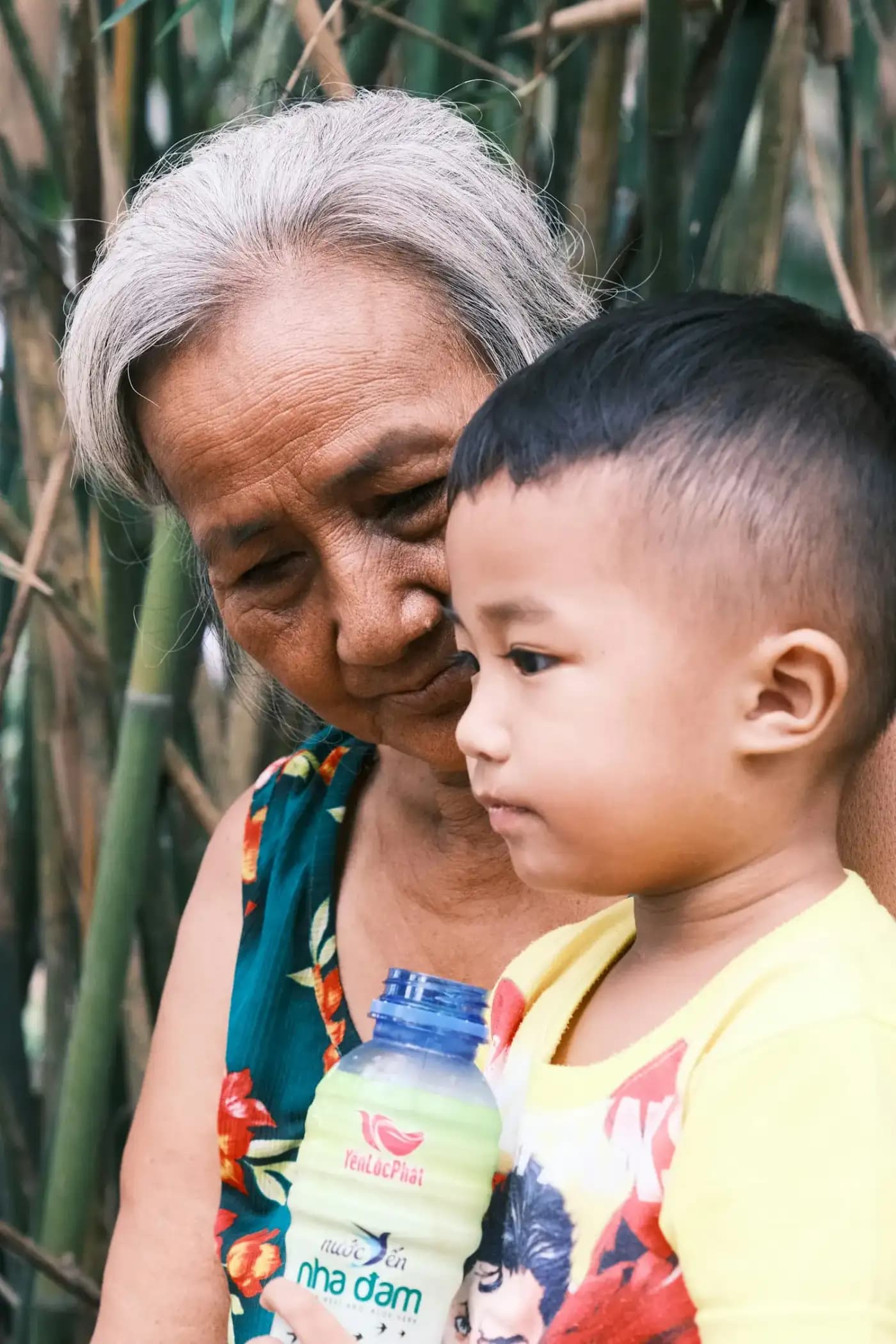
A grandmother and her grandson
A family language

Reconnect with Vietnamese

The language of your parents, your grandparents or your partner. The one you want to pass on to your children.

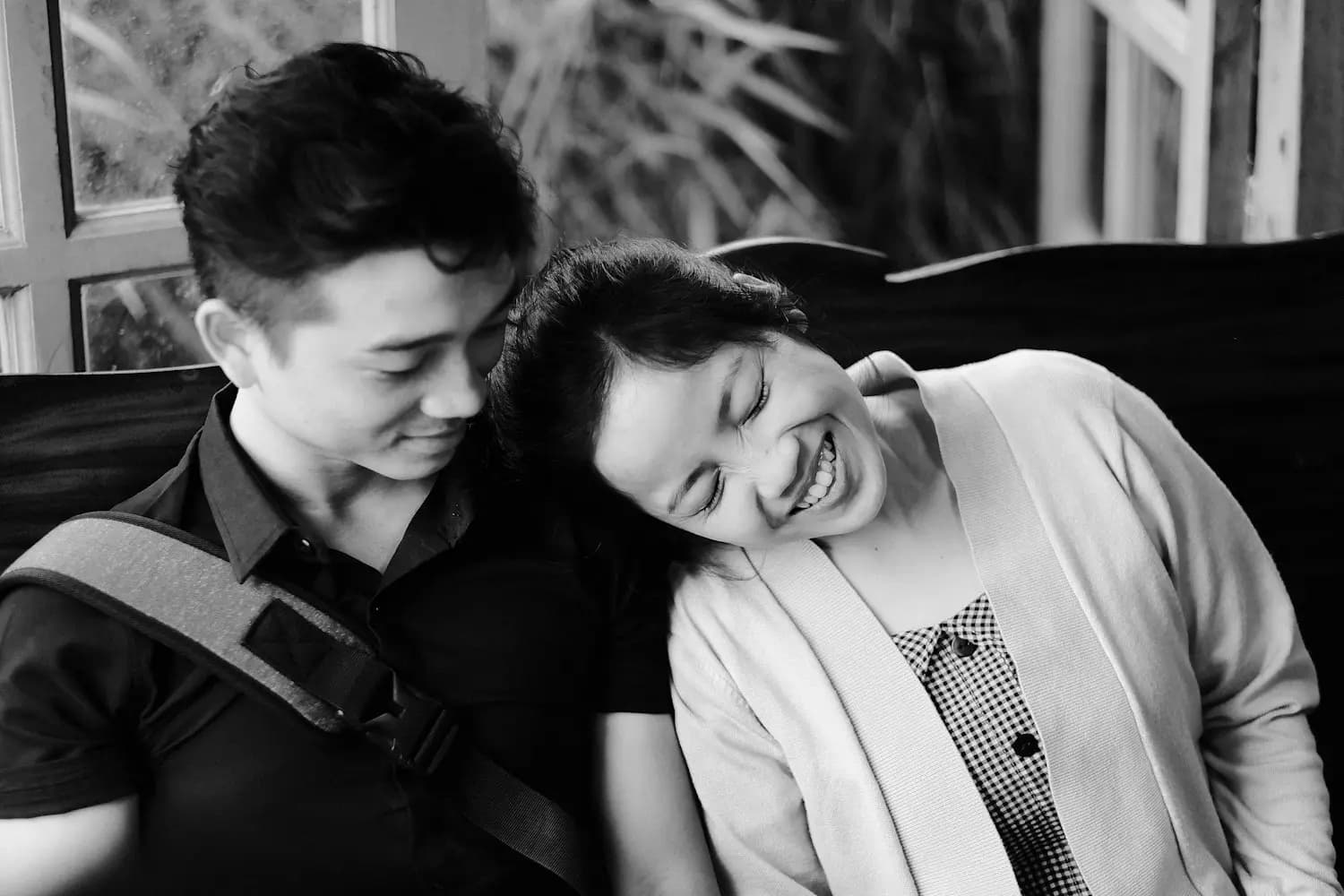
A couple sharing a tender moment
Speaking the language of the country means reconnecting with its people.
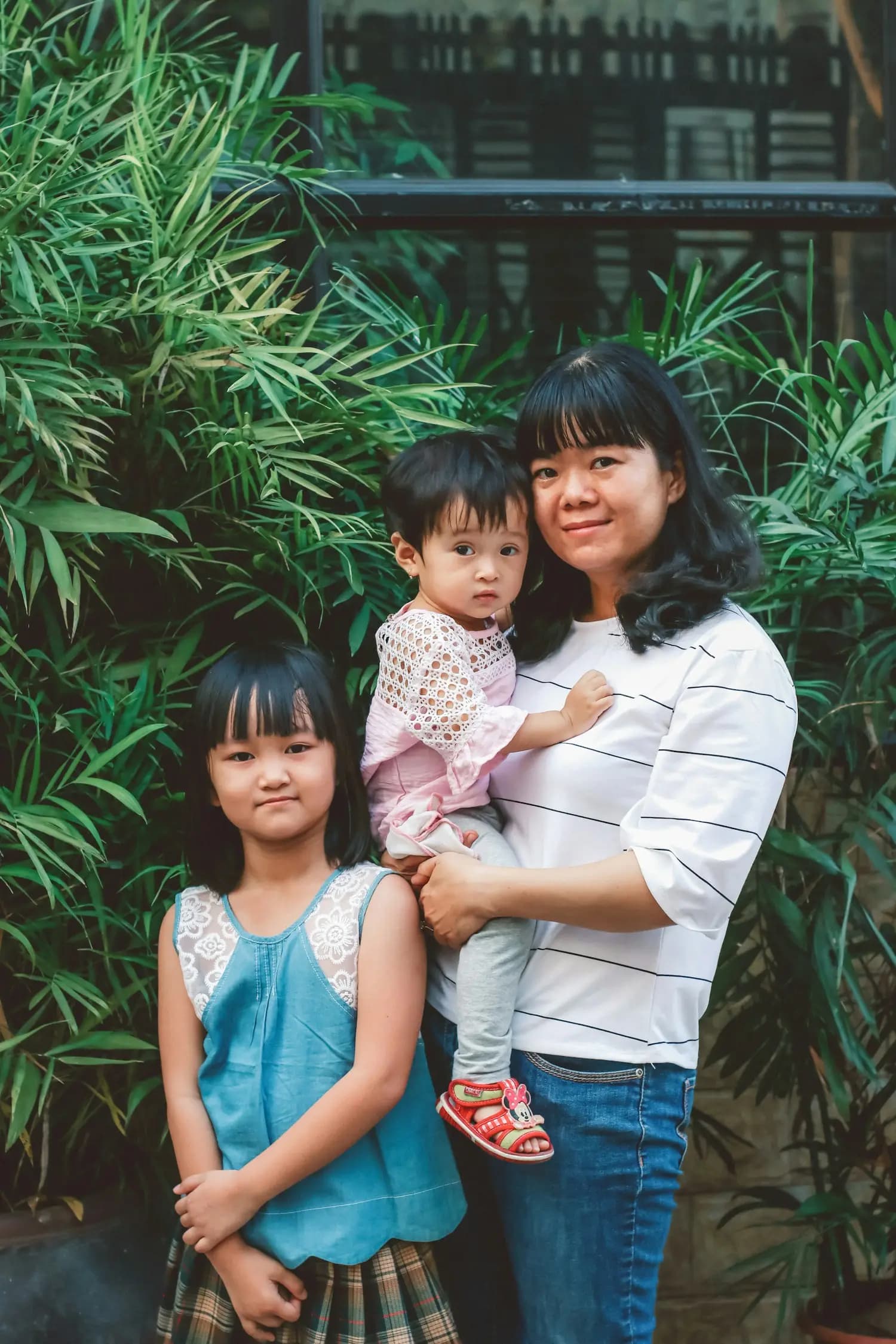
A mother and her two daughters
Now, at home, we speak Vietnamese.
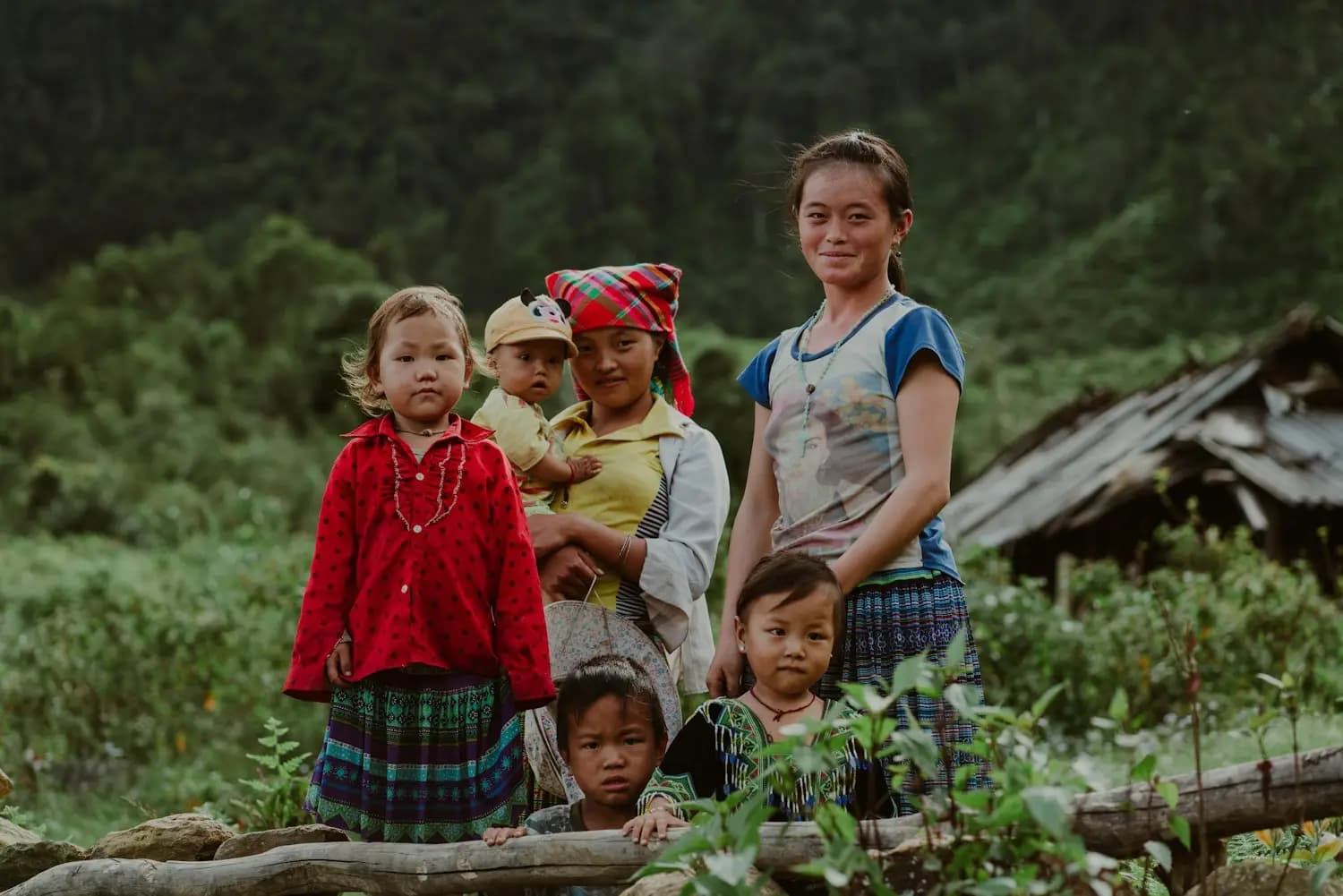
A family in the mountains
Your in-laws speak Vietnamese to you. Answer them in Vietnamese.
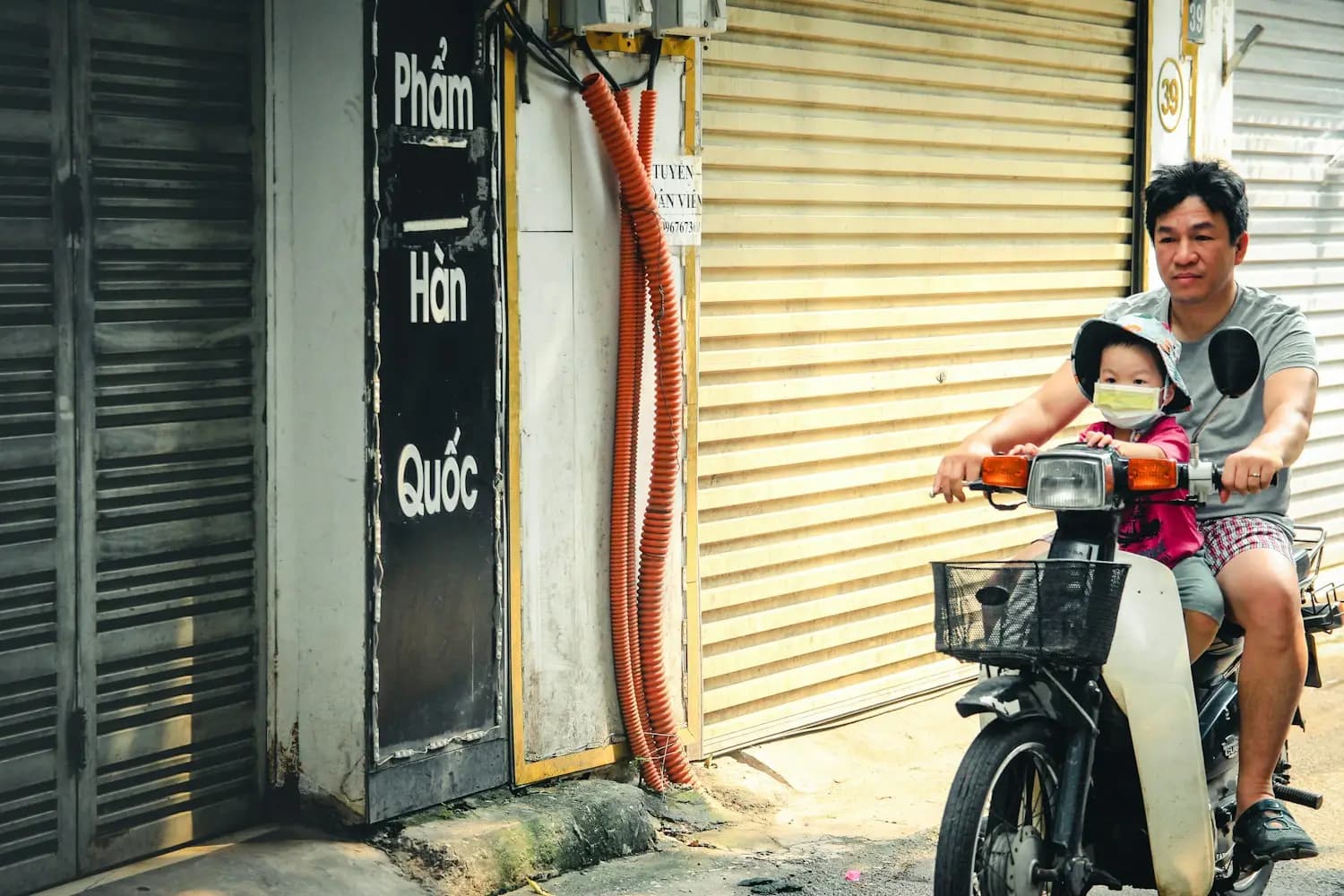
A father and his daughter on a scooter
Children who speak Vietnamese are the greatest cultural wealth you can bring to your family.
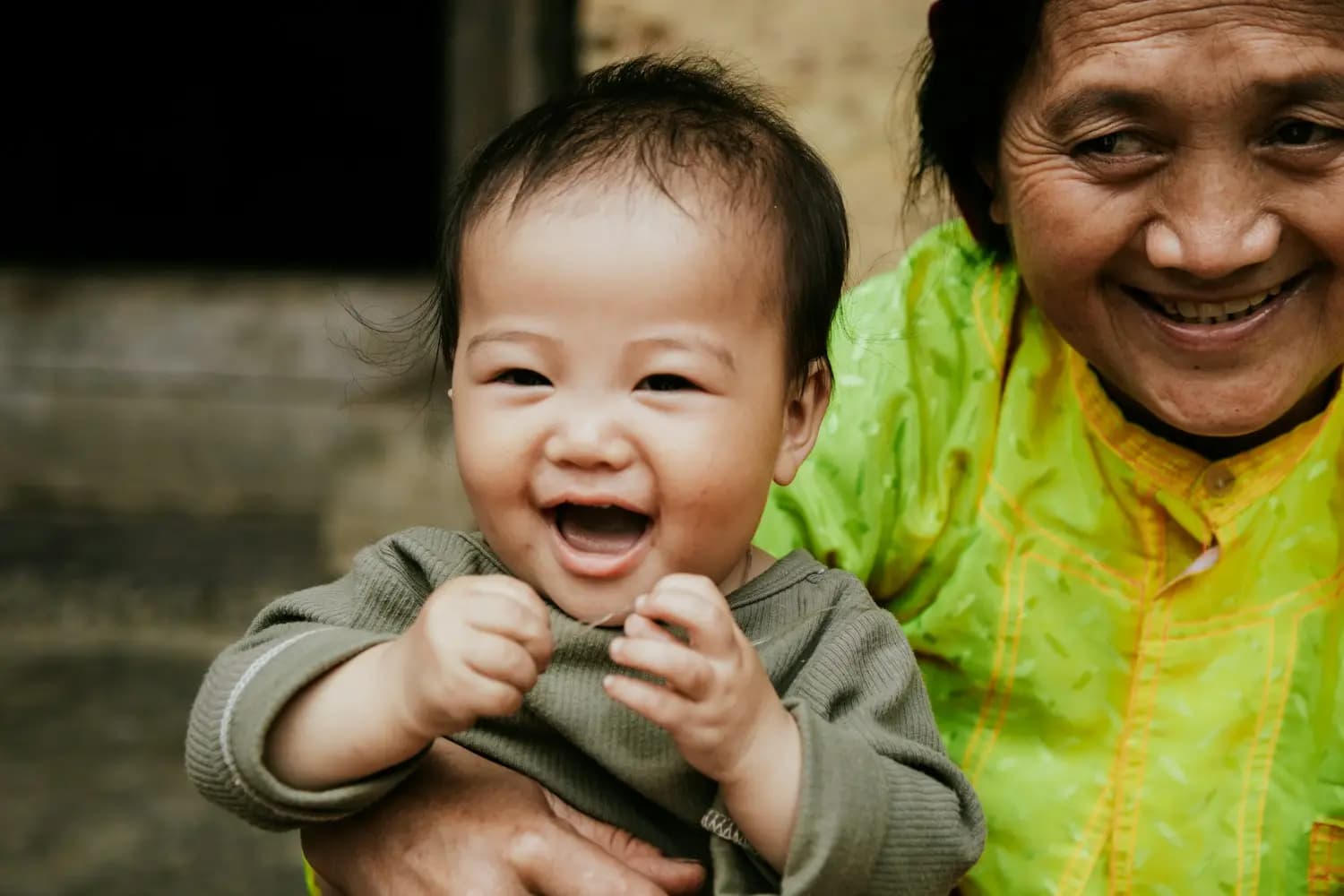
A baby laughing in an older woman’s arms
Your grandparents’ Vietnamese should not end with them.
  • Finally understand what is said at the table, and answer back.
  • “Hi Mum, I speak Vietnamese!”

A language is passed down from generation to generation. Now it is your turn.

Start Vietnamese for free

About this kit

Vietnamese is a tonal language with 6 tones, but good news: it uses the Latin alphabet (quoc ngu), which makes reading much easier. Spoken by 95 million people, it is the key to exploring Hanoi, Ho Chi Minh City and the beaches of Da Nang.

Vietnamese (tieng Viet) is spoken by around 95 million people across Vietnam and the diaspora living in France, the United States, Australia or Canada. It is a tonal language with six tones, and your intonation can radically change the meaning of a syllable. You will quickly realise that pronunciation matters more than grammar, which is fairly straightforward: no conjugation, no gender, no agreement. The good news for travellers and learners is that Vietnamese is written with the Latin alphabet, chu Quoc ngu, designed in the 17th century by Portuguese missionaries and popularised by the Jesuit Alexandre de Rhodes. Diacritics above or below vowels mark tones and specific vowel sounds. The lexicon shows centuries of Chinese influence, especially in formal, administrative or religious vocabulary, alongside French loanwords (ca phe for coffee, ga for railway station, banh mi for bread). Culturally, you will notice the rich pronoun system based on age and family ties: you do not address an elder, a younger person or a shopkeeper with the same word. The family remains the pivot of society, and ancestor respect shapes both language and ritual. At the market, bargaining is done with a smile and patience, never aggression. Tet, the lunar new year, is the most important moment of the calendar: knowing a few greeting formulas will open many doors.

They trust Targumi

They used Targumi to learn a language

4.9Excellent onTrustpilot

In their own words

Armande Learning Moroccan DarijaRated Targumi 5/5
Walid Learning Moroccan DarijaRated Targumi 5/5
Leonie Learning Moroccan DarijaRated Targumi 5/5
Marta Learning SpanishRated Targumi 5/5
Whitney Learning PolishRated Targumi 5/5
Didier Learning Moroccan DarijaRated Targumi 5/5
Dorian Learning Algerian DarijaRated Targumi 5/5
Isabelle Learning Moroccan DarijaRated Targumi 5/5
Patrick Learning Moroccan DarijaRated Targumi 5/5
Samia Learning Sudanese ArabicRated Targumi 5/5
Amina Learning Egyptian ArabicRated Targumi 5/5
Mélanie Learning Algerian DarijaRated Targumi 5/5
Hossin Learning EnglishRated Targumi 5/5
Soahary Learning EnglishRated Targumi 5/5
Start Vietnamese for free
  • 7-day free trial
  • No commitment
  • Cancel in 1 click

Go further in Vietnamese

All Targumi resources for this language.

Vietnamese level test

Assess your CEFR level in 5 minutes.

Vietnamese cultural quiz

Films, music, traditions. How well do you know?

Vietnamese articles

Guides, methods and tips to progress.

Vietnamese vocabulary

Essential words and phrases organised by themes.

Cultural resources

Films, series, podcasts and music to immerse yourself.

Start now

Live classes with a bilingual native teacher. First lessons free.