Free survival kit

Darija Marocaine survival kit

The 20 essential phrases and 100 key words to get by in Darija Marocaine when travelling, with our teachers’ pronunciation.

Start for free
  • 20 phrases
  • 100 key words in the PDF
  • 2 pronunciation recordings
4.9Excellent onTrustpilot

Greetings

Darija MarocaineEnglish
Ssalamu 3laikumpeace be upon you
Wa 3laikum ssalamand upon you peace
Sbah l-khirgood morning
Sbah n-nurmorning of light
Msa l-khirgood evening
Marhbawelcome
Kif dayer ?how are you (to a man)
Kif dayra ?how are you (to a woman)

Asking for directions

Darija MarocaineListenEnglish
darhouse
bitroom
Cousinakitchen
babdoor

Emergencies

Darija MarocaineEnglish
rashead
3ayneye
wednaear
fummmouth

At the restaurant

Darija MarocaineEnglish
mawater
7libmilk
ataytea
qahwacoffee

30 key words to remember

Darija MarocaineEnglish
LabasI'm fine, no harm
L7amdulillahpraise be to God
Bslamagoodbye
Tla9awsee you soon
Lah ihfdekmay God protect you
Shukranthank you
Bsa77ato your health / you're welcome
3afakplease
Smah liyaexcuse me / forgive me
Iyehyes
Lano
Wakhaok / agreed
kanto be (was)
3andiI have
mshato go (he went)
jato come (he came)
klato eat (he ate)
shrabto drink (he drank)
n3asto sleep (he slept)
tkellemto speak (he spoke)
shafto see (he saw)
3rafto know (he knew)
bghato want (he wanted)
qderto be able (he could)
darto do (he did)
3tato give (he gave)
khdato take (he took)
shrato buy (he bought)
ba3to sell (he sold)
khdemto work (he worked)

In context: 5 scenes to get by

On arrival

You arrive in Casablanca early in the morning. You greet your host with a respectful Ssalamu 3laikum, receive the expected Wa 3laikum ssalam, follow up with Sbah l-khir since it is early and get a warm Sbah n-nur in reply.

  • Ssalamu 3laikum : peace be upon you
  • Wa 3laikum ssalam : and upon you peace
  • Sbah l-khir : good morning
  • Sbah n-nur : morning of light

In a taxi

The petit taxi drops you off at the riad you booked in the Marrakech medina. You spot the house (dar) at the right number, head up to the room (bit) you are given, ask where the shared kitchen (kuzina) is and note the main door (bab) to lock at night.

  • dar : house
  • bit : room
  • Cousina : kitchen
  • bab : door

At the café

You sit on a cafe terrace in the late afternoon. You first ask for cold water (ma), some milk (7lib) on the side, then the ritual: a mint tea (atay) and a black coffee (qahwa) for your neighbour at the table.

  • ma : water
  • 7lib : milk
  • atay : tea
  • qahwa : coffee

In an emergency

You feel unwell and explain the pain to the local pharmacist. You show your pounding head (ras), watery eye (3ayn), blocked ear (wedna) and a strange taste in your mouth (fumm) so she can guide you.

  • ras : head
  • 3ayn : eye
  • wedna : ear
  • fumm : mouth

On departure

On your last evening, you greet your hosts with Msa l-khir at dusk, receive a final Marhba inviting you to come back, ask Kif dayer ? to your male host to check in and Kif dayra ? to his daughter before leaving.

  • Msa l-khir : good evening
  • Marhba : welcome
  • Kif dayer ? : how are you (to a man)
  • Kif dayra ? : how are you (to a woman)

Cultural notes

  1. Moroccan Darija is an oral dialect, distinct from Modern Standard Arabic taught in schools. Latin transliteration uses digits for unique sounds (3 for ayn, 7 for hha, 9 for qaf), a convention common on social media and texts.
  2. Salam or Ssalamu 3laikum is the most universal greeting, religiously neutral in daily use. The reply Wa 3laikum ssalam is expected; don't skip it, it's a marker of respect.
  3. Mint tea (atay) sits at the heart of Moroccan hospitality. Refusing a glass can be poorly received; accept at least symbolically and enjoy the ritual of pouring from a height.
  4. French is widespread in Casablanca, Rabat and the north, but slipping in a few Darija words (Shukran, 3afak) unlocks a different level of relationship, especially in souks and villages.
  5. Bargaining is the rule in souks and with informal drivers. Negotiate with a smile, without aggression. Starting around half the asking price and moving up in steps is a good baseline.
  6. During Ramadan, schedules shift: restaurants closed by day, intense nightlife after iftar. Eat and drink discreetly in public if you are not fasting, out of respect.
  7. Photographing people, especially women in rural areas, without asking is poorly received. A smile, a word in Darija and a Wakha (okay) before raising the camera usually goes a long way.
  8. The right hand is used for eating, giving and receiving, in line with tradition. Handling food or passing an object with the left hand can seem impolite in a traditional setting.

Keep the whole kit on your phone

The 20 phrases, 100 key words and the cultural notes in a PDF to keep offline or print. We also send it to you by e-mail.

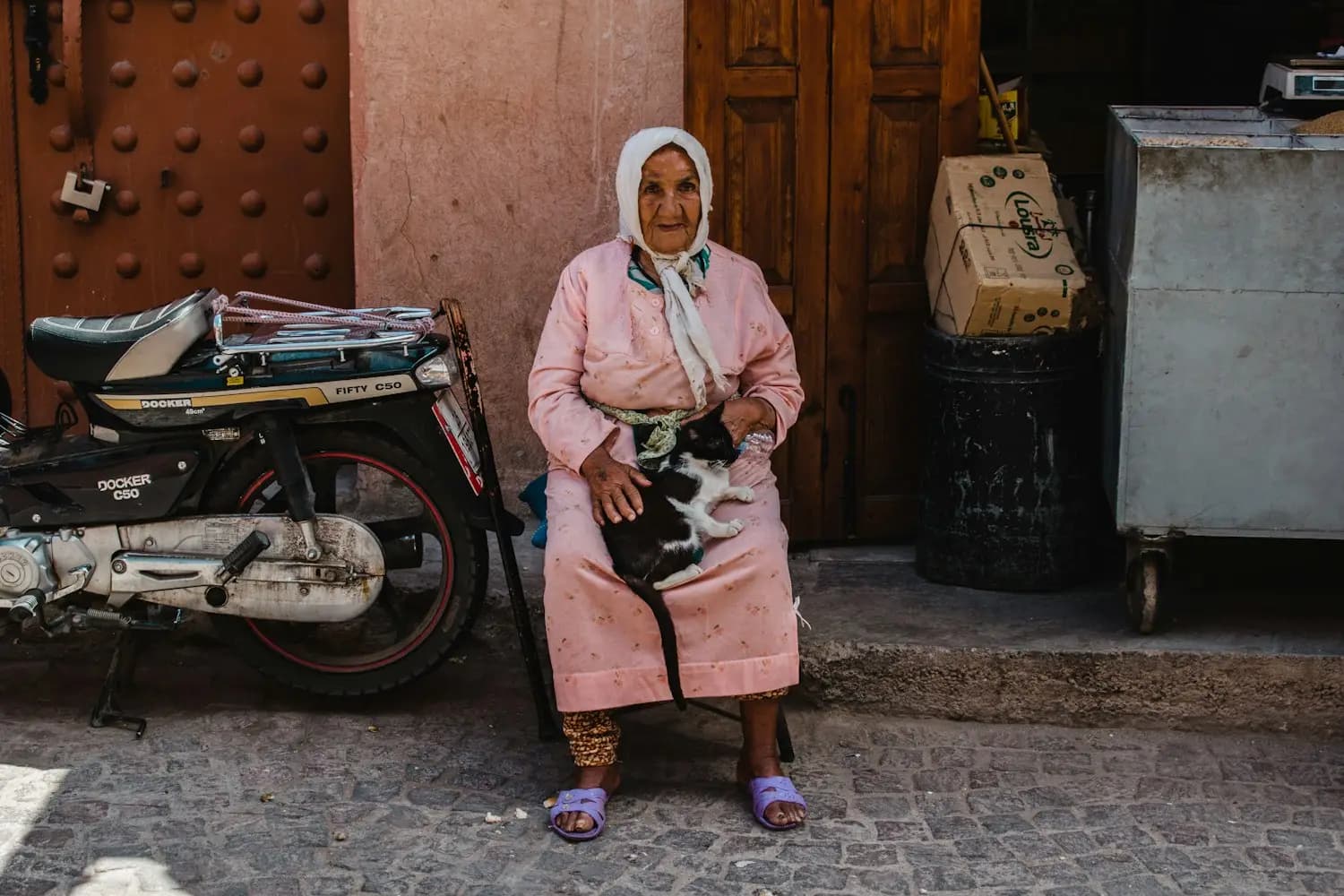
An older woman sitting in front of a doorway
A family language

Reconnect with Moroccan Darija

The language of your parents, your grandparents or your partner. The one you want to pass on to your children.

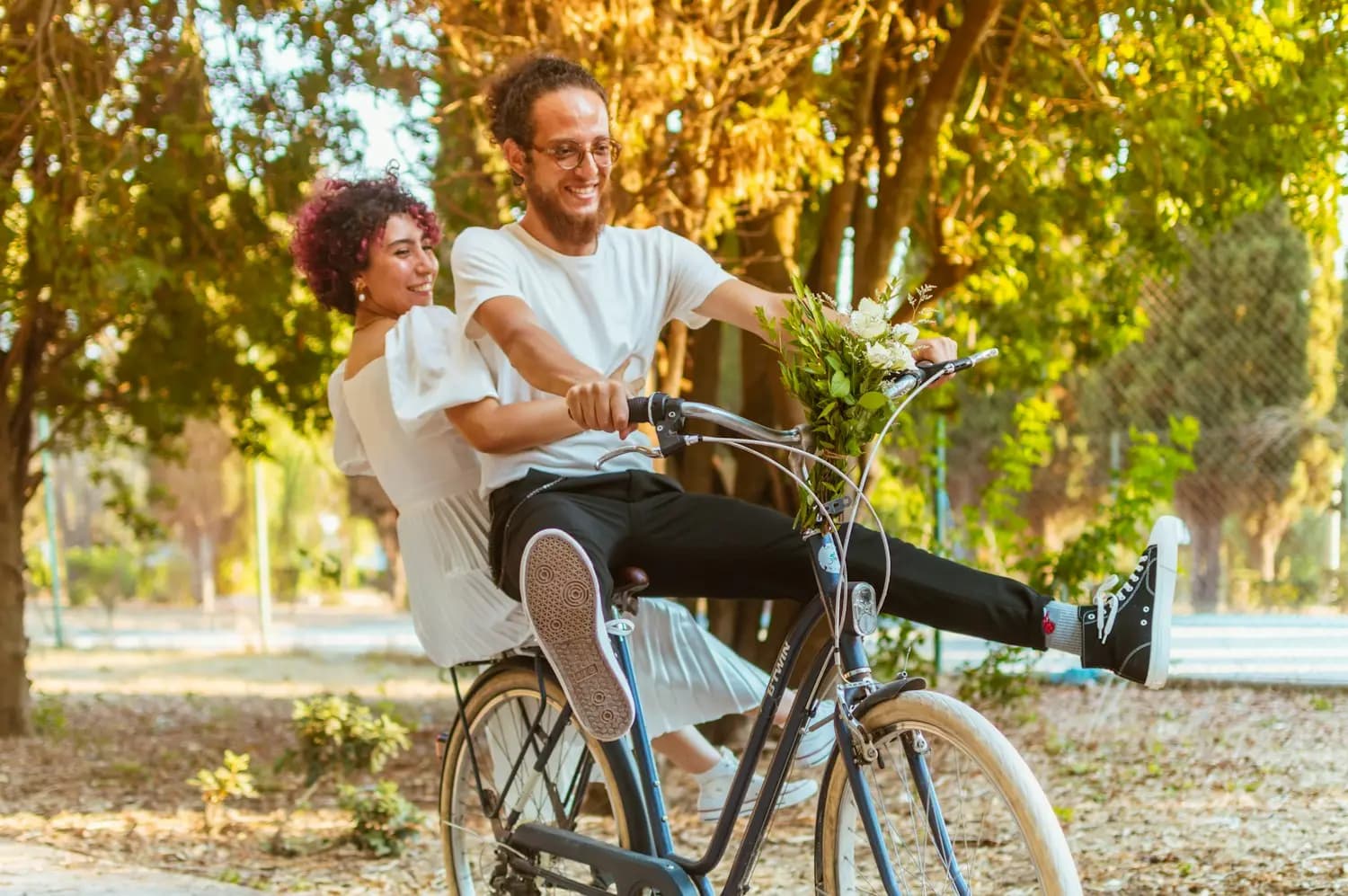
A couple laughing on a bicycle
Speaking the language of the country means reconnecting with its people.
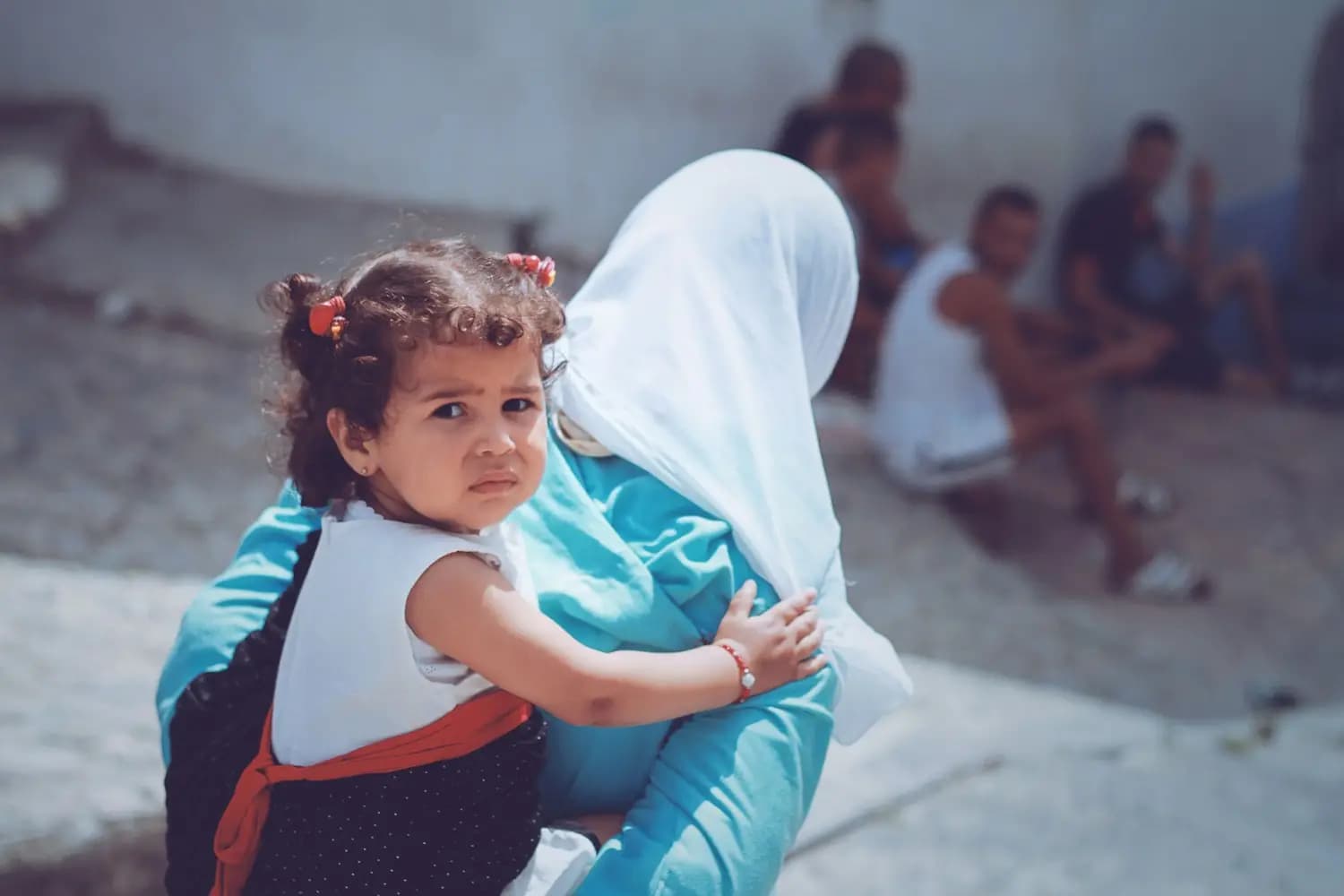
A mother carries her little girl
Now, at home, we speak Moroccan Darija.
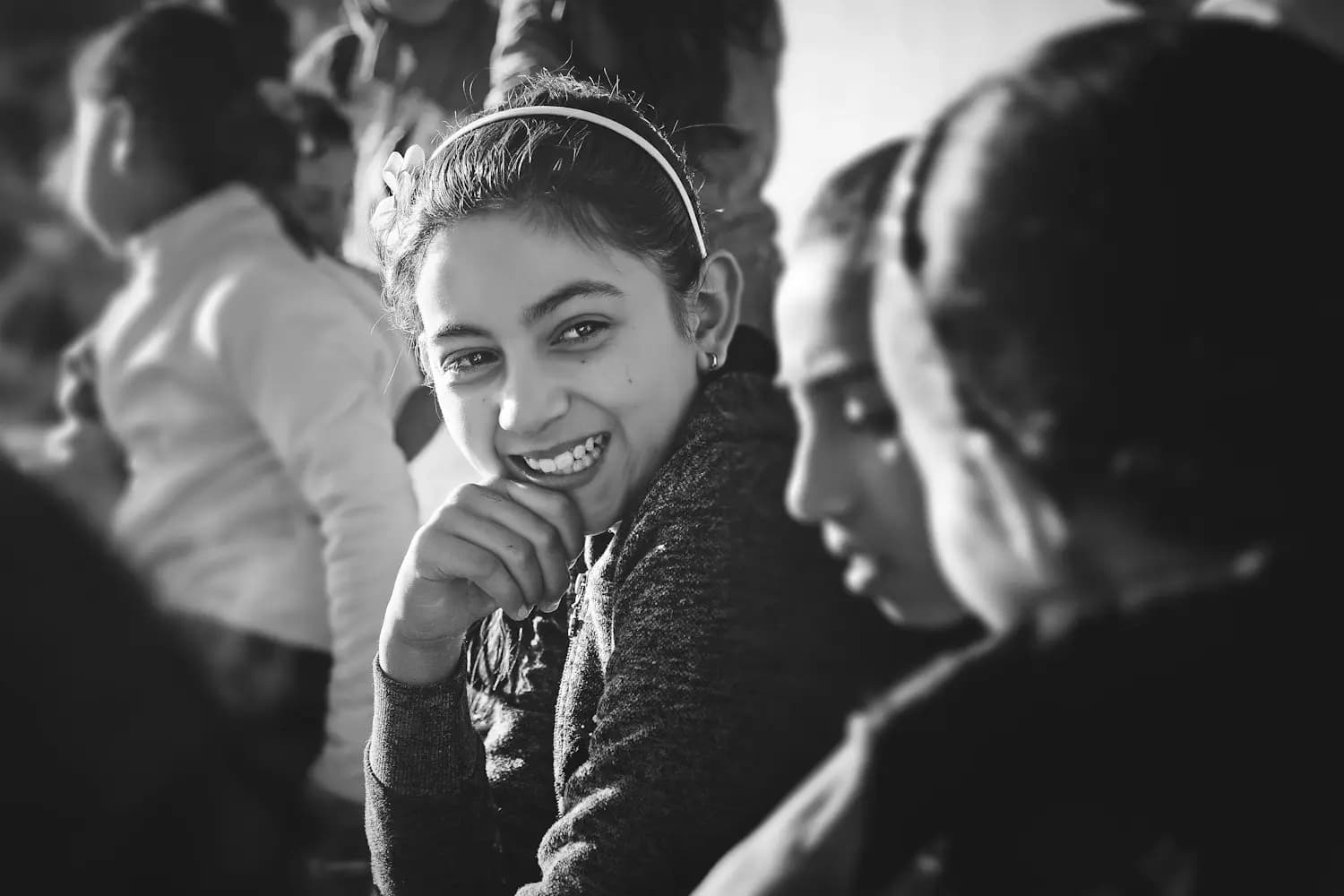
A little girl smiles
Your in-laws speak Moroccan Darija to you. Answer them in Moroccan Darija.
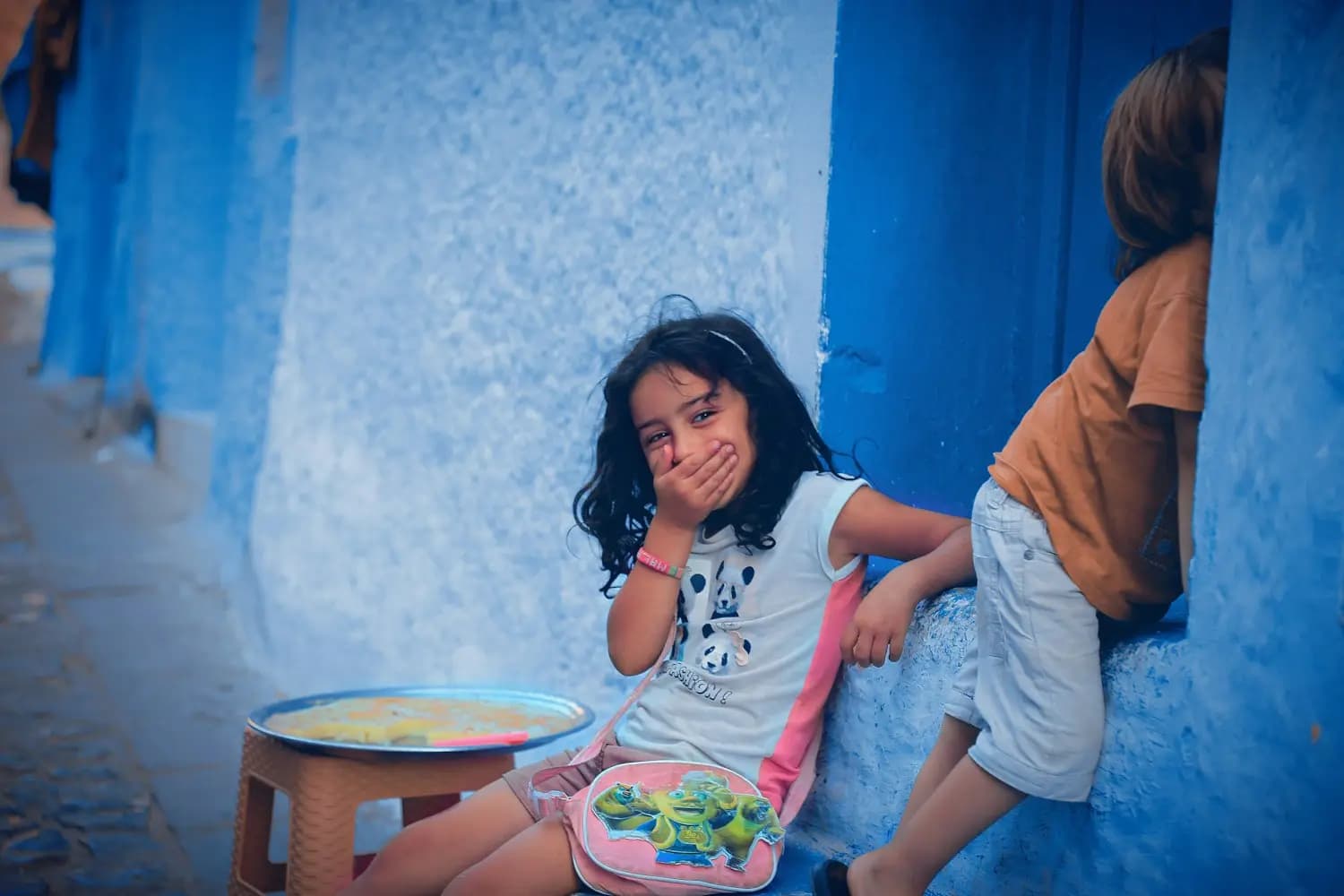
Two children in front of a blue wall
Children who speak Moroccan Darija are the greatest cultural wealth you can bring to your family.
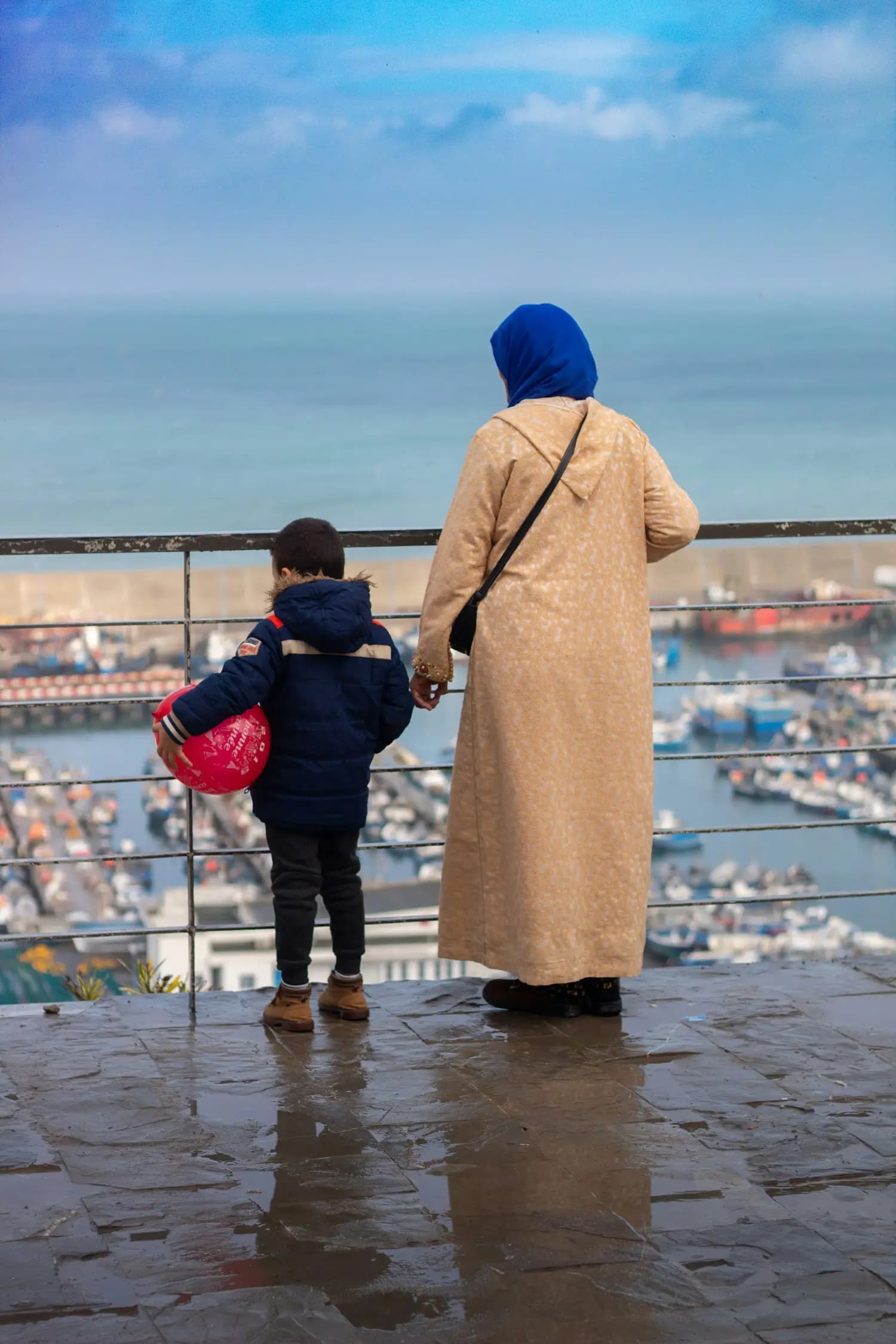
A mother and her child looking out to sea
Your grandparents’ Moroccan Darija should not end with them.
  • Finally understand what is said at the table, and answer back.
  • “Hi Mum, I speak Moroccan Darija!”

A language is passed down from generation to generation. Now it is your turn.

Start Darija Marocaine for free

About this kit

Moroccan Darija is the everyday spoken Arabic of about thirty-five million Moroccans. It is an oral dialect, distinct from Modern Standard Arabic (MSA), shaped by Berber, French and Spanish influences. With this kit, you have the bare minimum to greet, find your way and make a good impression in Casablanca, Marrakech, Fes or Tangier.

Moroccan Darija is the everyday spoken Arabic of Morocco, used by about thirty-five million people. It is an oral dialect, distinct from Modern Standard Arabic (MSA, fusha) which remains the official written language and the language of formal media. Moroccan Darija has emerged at the crossroads of classical Arabic, Berber (Tamazight) which contributed many everyday words, French (a colonial legacy and still the language of higher education and administration), Spanish (notably in the north and in Tangier) and, more marginally, Portuguese. This layering produces a lively, expressive dialect rich in religious politeness formulas (InchaAllah, Hamdullah, BarakAllahu fik). Vowels are often reduced or elided, emphatic consonants (s, t, d, q) are numerous and give Moroccan its typical sound. Moroccan Darija is rarely mutually intelligible with eastern Arabic dialects (Egyptian, Levantine, Gulf) without exposure, but stands close to Algerian Darija and Tunisian Derja, its Maghreb cousins. The language has no official spelling; it is written in Arabic script or in Latin script with digits for specific sounds (3 for ayn, 7 for hha, 9 for qaf). This kit gathers the bare essentials to greet, find your way around a home or city, order mint tea or coffee, handle an emergency and take leave politely, with a glossary of everyday words. A few Darija phrases instantly open Moroccan doors.

They trust Targumi

They used Targumi to learn a language

4.9Excellent onTrustpilot

In their own words

Armande Learning Moroccan DarijaRated Targumi 5/5
Walid Learning Moroccan DarijaRated Targumi 5/5
Leonie Learning Moroccan DarijaRated Targumi 5/5
Marta Learning SpanishRated Targumi 5/5
Whitney Learning PolishRated Targumi 5/5
Didier Learning Moroccan DarijaRated Targumi 5/5
Dorian Learning Algerian DarijaRated Targumi 5/5
Isabelle Learning Moroccan DarijaRated Targumi 5/5
Patrick Learning Moroccan DarijaRated Targumi 5/5
Samia Learning Sudanese ArabicRated Targumi 5/5
Amina Learning Egyptian ArabicRated Targumi 5/5
Mélanie Learning Algerian DarijaRated Targumi 5/5
Hossin Learning EnglishRated Targumi 5/5
Soahary Learning EnglishRated Targumi 5/5
Start Darija Marocaine for free
  • 7-day free trial
  • No commitment
  • Cancel in 1 click

Go further in Darija Marocaine

All Targumi resources for this language.

Darija Marocaine level test

Assess your CEFR level in 5 minutes.

Darija Marocaine cultural quiz

Films, music, traditions. How well do you know?

Darija Marocaine articles

Guides, methods and tips to progress.

Darija Marocaine vocabulary

Essential words and phrases organised by themes.

Cultural resources

Films, series, podcasts and music to immerse yourself.

Start now

Live classes with a bilingual native teacher. First lessons free.