About this kit
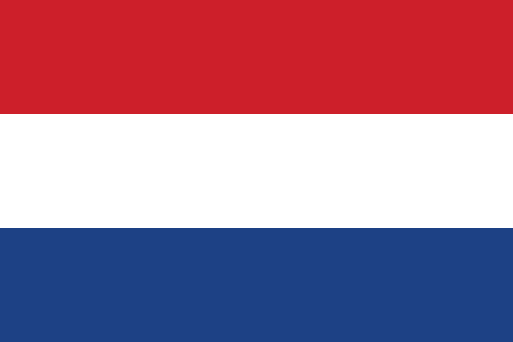
Dutch is spoken by over 25 million people in the Netherlands, Belgium (Flanders) and Suriname. Close to English and German, it is surprisingly accessible. Nearly all Dutch people speak English, but a sincere "dank je wel" will open far more doors than a plain "thank you".
Dutch (Nederlands) is spoken by roughly 24 million native speakers and stands as an official language in the Netherlands, the Flemish region of Belgium, Suriname, as well as Aruba, Curacao and Sint Maarten in the Caribbean. As a West Germanic language, it sits between German and English: any French speaker who has already met those two languages will quickly find familiar ground, both for vocabulary and sentence structure. The pronunciation, with its guttural sounds such as the "g" in Den Haag, takes some training, but stays approachable with an attentive ear.
Culturally, you will encounter the famous "doe maar gewoon, dan doe je al gek genoeg" philosophy: just act normal, you are already eccentric enough. This understated friendliness shows everywhere, from the brown cafes of Amsterdam to the markets of Ghent. Cycling is not a hobby, it is a way of life: Utrecht, Groningen and Bruges are best crossed on two wheels, and it is wise to learn quickly to respect bike lanes before stepping on one by mistake.
Most Dutch and Flemish speakers handle excellent English, which can tempt you to do everything in that language. Yet a simple "goedemorgen", "dank u wel" or "alstublieft" instantly shifts the mood: people smile, slow down and treat you as a thoughtful guest rather than a casual tourist. The same is true in Antwerp, Maastricht or a small Frisian village. This survival kit gives you the essential phrases to take that first step naturally and respectfully.






 Learning Moroccan Darija
 Learning Spanish
 Learning Polish
 Learning Algerian Darija
 Learning Sudanese Arabic
 Learning Egyptian Arabic
 Learning English