Free survival kit

Birman survival kit

The 20 essential phrases and 100 key words to get by in Birman when travelling.

Start for free
  • 20 phrases
  • 100 key words in the PDF
4.9Excellent onTrustpilot

Greetings

BirmanEnglish
Mingalabahello
Kyei-zu tin ba dethank you
Kyei-zu amyà-kyi tin ba dethank you very much
Houk-kèyes
Ma-houk-bùno
Thwà-daw-mègoodbye
Nei-kaung-làhow are you?
Nei-kaung-ba-deI'm fine

Asking for directions

BirmanEnglish
Beh-thuwho?
Bawhat?
Beh-hmawhere?
Beh-dawwhen?

Emergencies

BirmanEnglish
U-gaunghead
Myet-sieye
Lethand
Cheifoot

At the restaurant

BirmanEnglish
Htaminrice (cooked, meal)
Yewater
Lahpet-yeitea
Ngàfish

30 key words to remember

BirmanEnglish
Taung-pan-ba-desorry
Khwin-pyu-baexcuse me
Kyo-so-ba-dewelcome
Kyei-zu-pyu-pyiplease
Sàto eat
Thaukto drink
Thwàto go
Làto come
Eikto sleep
Myinto see
Wèto buy
Chinto want
Kyaikto like
Chitto love
Peto give
Yuto take
Pyawto speak
Thinto study, to learn
A-louk-loukto work
Nà-leto understand
Thito know
Loukto do, to make
Neito be (located), to live
Shito have, to exist
Ku-nyito help
Nà-htaungto listen
A-meimother
A-pheifather
Thàson
Thamidaughter

In context: 5 scenes to get by

On arrival

You land in Yangon in the late morning. The humid heat hits you as soon as you step off the plane. You greet the immigration officer with a smile, say hello and thank you after collecting your stamped passport.

  • Mingalaba : hello
  • Kyei-zu tin ba de : thank you
  • Kyei-zu amyà-kyi tin ba de : thank you very much
  • Houk-kè : yes

In a taxi

The driver looks at you in the rearview mirror and asks where you are going. You give him your hotel, ask what the neighbourhood is, who that monument refers to and when the trip will be over.

  • Beh-thu : who?
  • Ba : what?
  • Beh-hma : where?
  • Beh-daw : when?

At the café

You sit down in a neighbourhood tea house in the late afternoon. The waiter comes over and waits for your order. You ask for rice, water, milk tea and a little grilled fish.

  • Htamin : rice (cooked, meal)
  • Ye : water
  • Lahpet-yei : tea
  • Ngà : fish

In an emergency

You feel unwell after a long day walking in the heat. At the pharmacy, you point to the parts of your body that hurt so you can be understood. The pharmacist nods and offers you a remedy.

  • U-gaung : head
  • Myet-si : eye
  • Let : hand
  • Chei : foot

On departure

On the morning of departure, you greet the receptionist at your guest house who asks how you are. You answer that everything is fine and say goodbye before catching your taxi to the airport.

  • Ma-houk-bù : no
  • Thwà-daw-mè : goodbye
  • Nei-kaung-là : how are you?
  • Nei-kaung-ba-de : I'm fine

Cultural notes

  1. In Myanmar, people don't shake hands or kiss in greeting. A smile and a slight head bow are more than enough. To greet a monk, join your hands at forehead level.
  2. Feet are considered the most impure part of the body. Never point your feet at a person, a Buddha statue or an altar. Sit with your legs folded to the side in pagodas.
  3. Always remove your shoes before entering a pagoda, temple or private home. This rule even applies to the entire complex of some pagodas, starting at the entrance gate.
  4. The head is sacred. Never touch anyone's head, even a child's. Also avoid passing objects over someone's head or standing higher than a monk or an elder.
  5. Burmese is a tonal language: the same syllable can mean very different things depending on pitch and length. Don't get discouraged if you are corrected, it is normal at the start.
  6. Thanaka, that creamy yellow paste applied to the cheeks, is at once sunscreen, skincare and traditional ornament. You can try it in most markets.
  7. Give and receive objects with your right hand, or with both hands as a sign of respect, supporting your right elbow with your left hand. The left hand alone is considered impolite.
  8. Avoid discussing politics in public, especially in places visited by strangers. The context remains sensitive and locals will prefer to avoid these topics with you.

Keep the whole kit on your phone

The 20 phrases, 100 key words and the cultural notes in a PDF to keep offline or print. We also send it to you by e-mail.

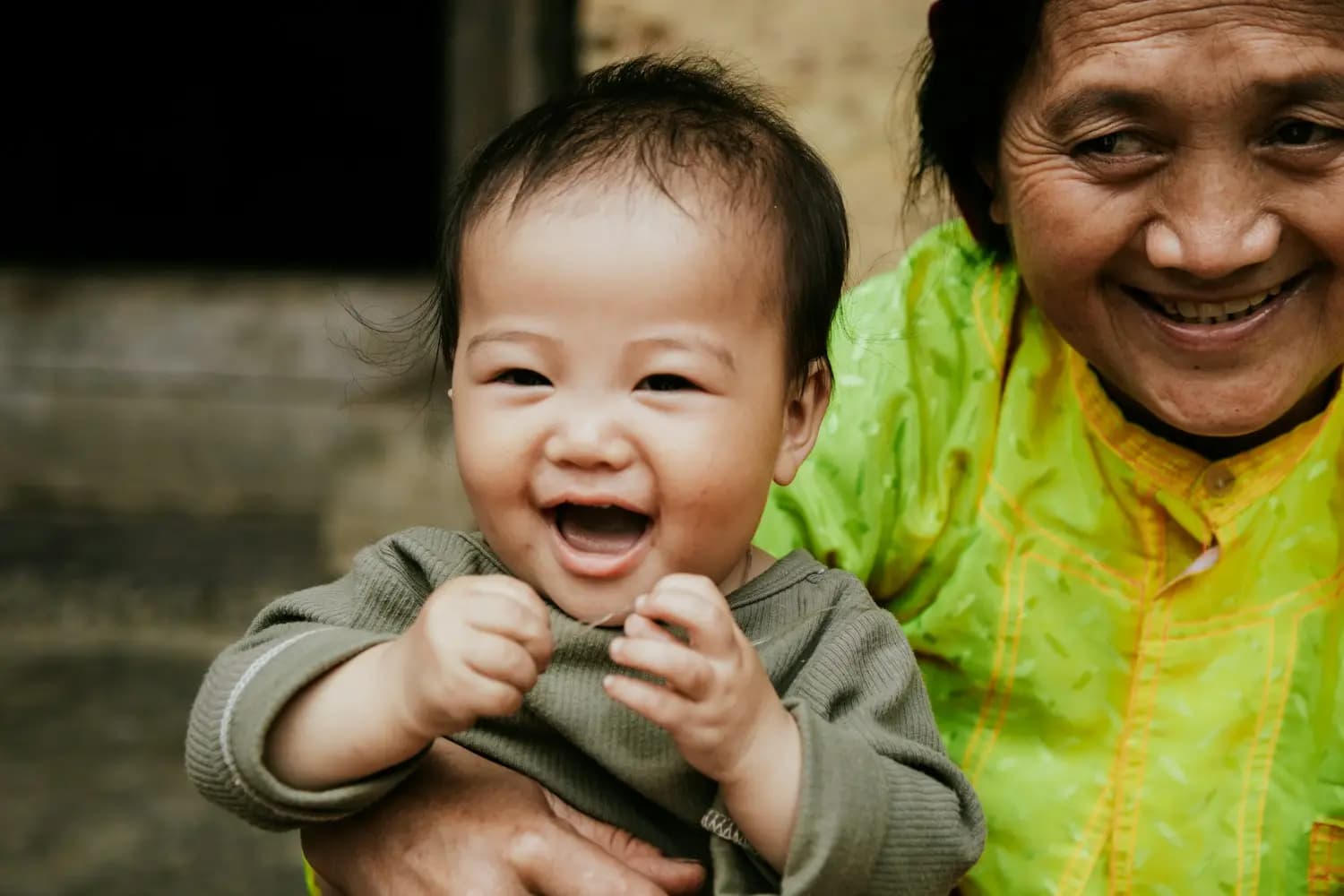
A baby laughing in an older woman’s arms
A family language

Reconnect with Burmese

The language of your parents, your grandparents or your partner. The one you want to pass on to your children.

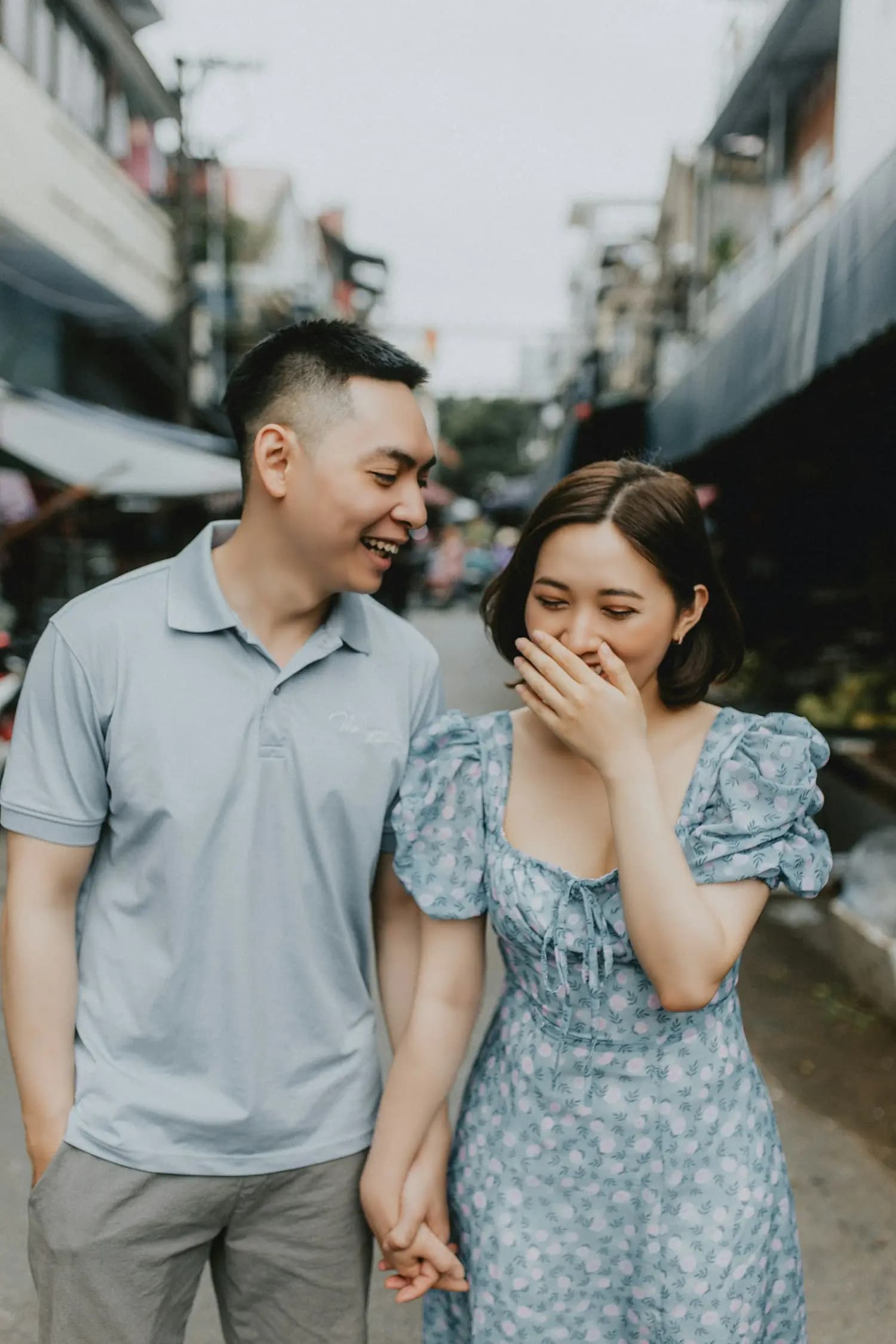
A couple walking hand in hand
Speaking the language of the country means reconnecting with its people.
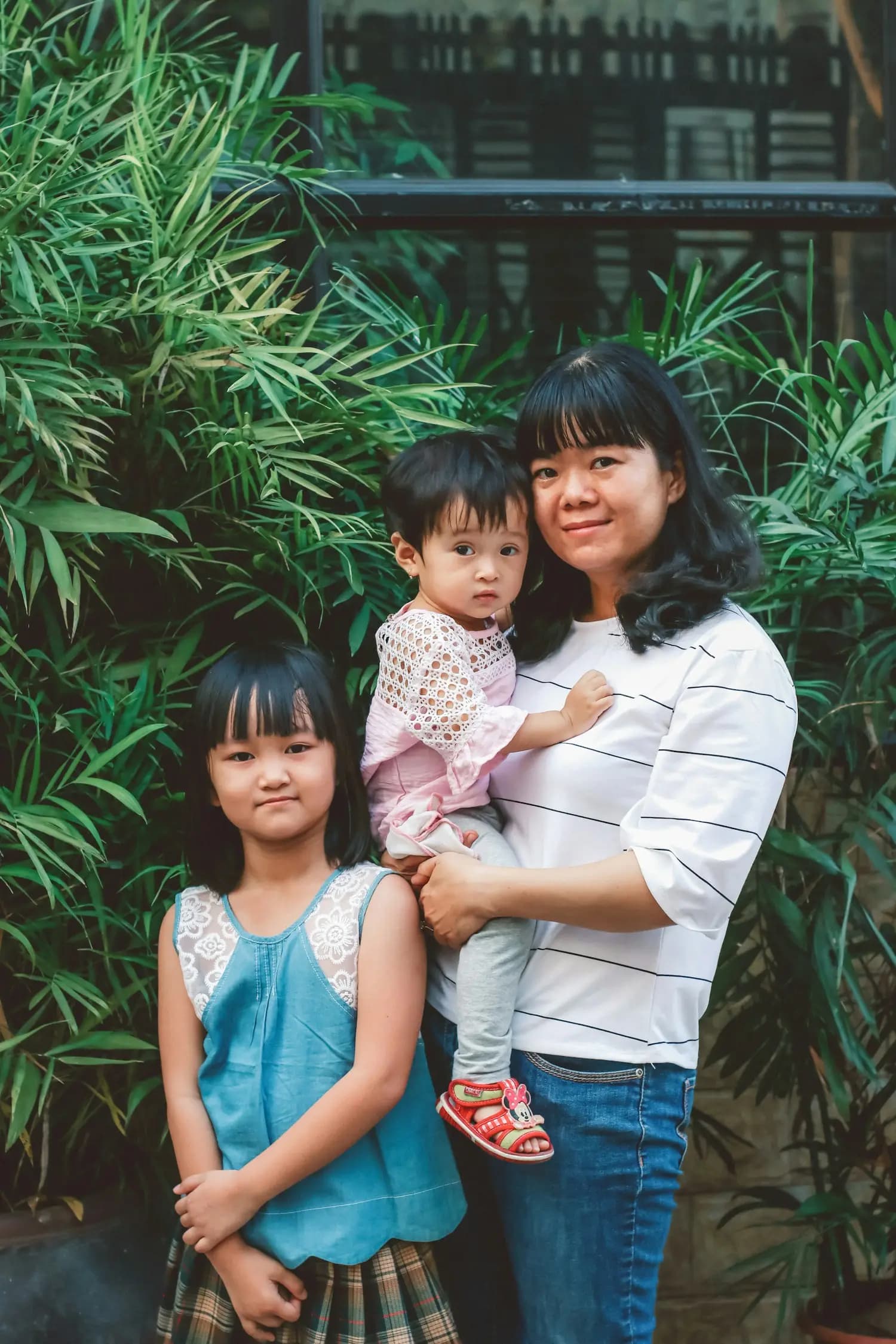
A mother and her two daughters
Now, at home, we speak Burmese.
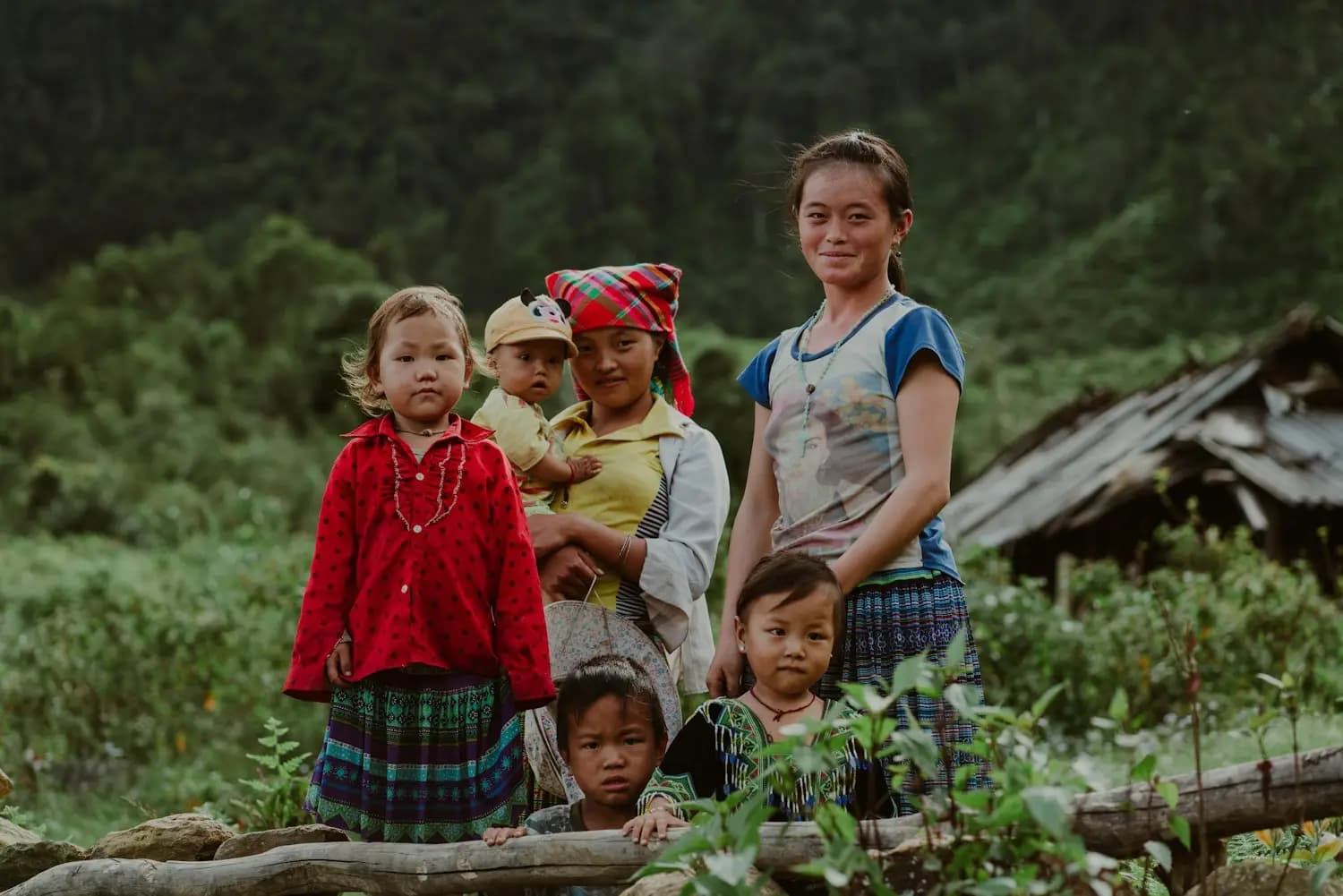
A family in the mountains
Your in-laws speak Burmese to you. Answer them in Burmese.
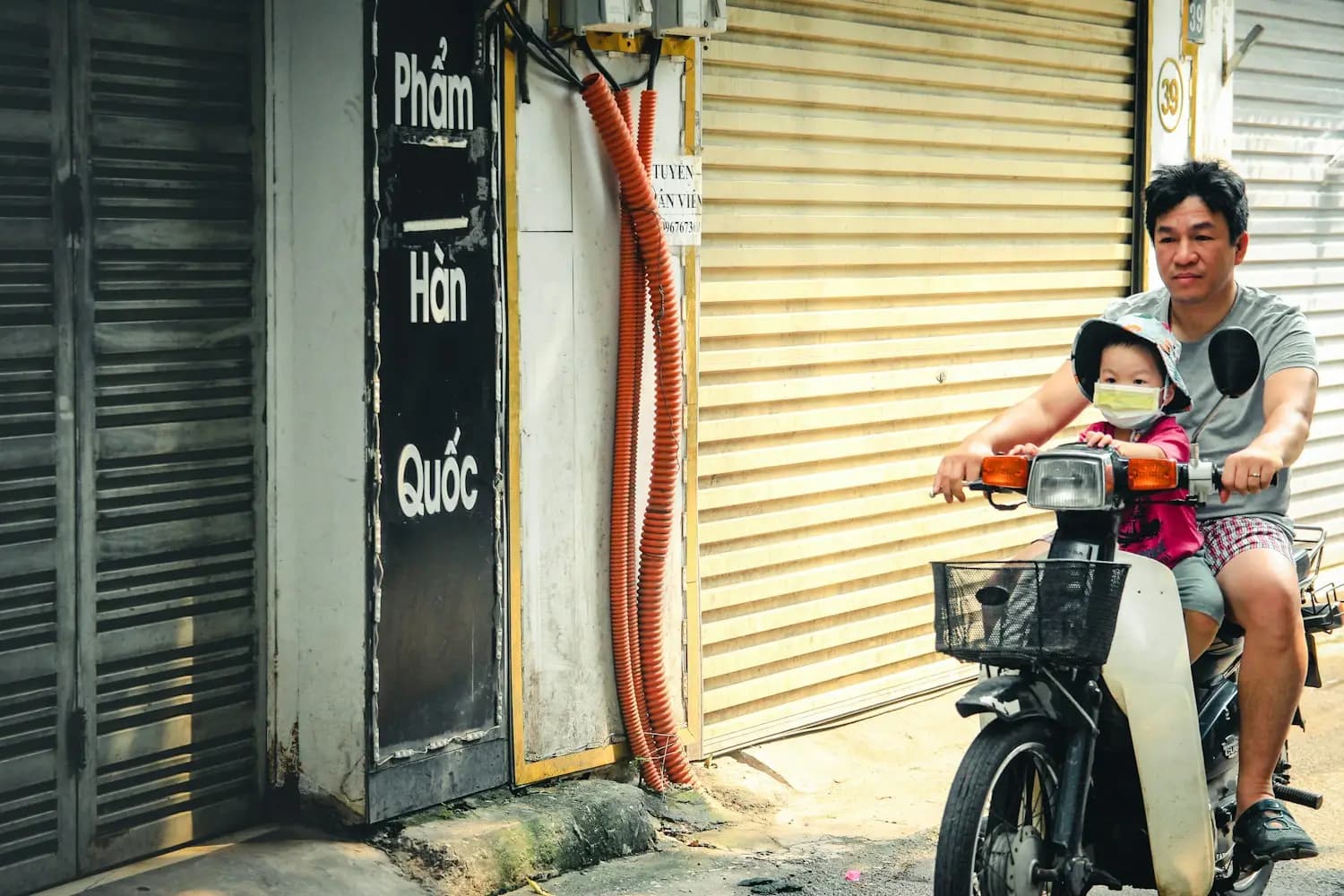
A father and his daughter on a scooter
Children who speak Burmese are the greatest cultural wealth you can bring to your family.
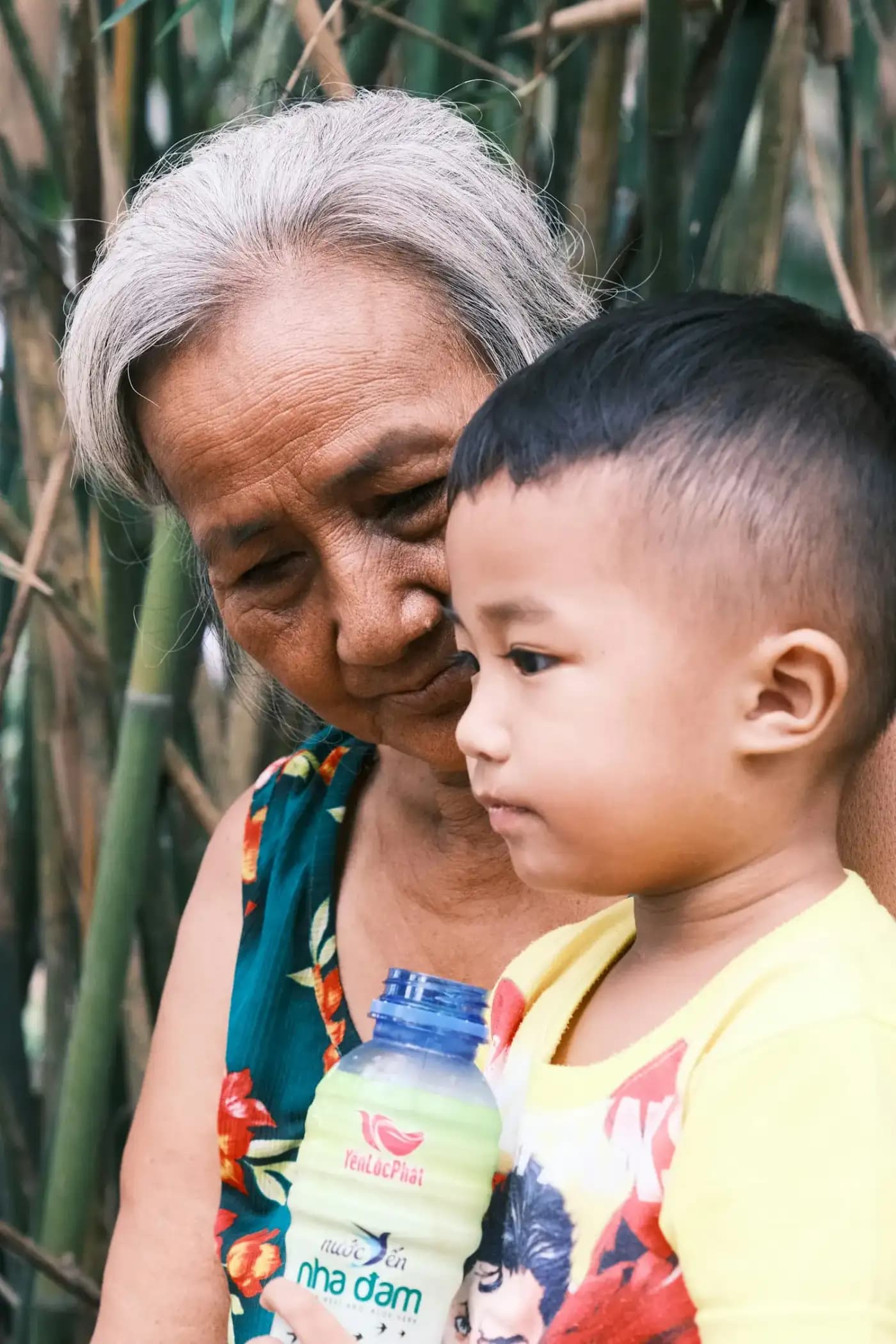
A grandmother and her grandson
Your grandparents’ Burmese should not end with them.
  • Finally understand what is said at the table, and answer back.
  • “Hi Mum, I speak Burmese!”

A language is passed down from generation to generation. Now it is your turn.

Start Birman for free

About this kit

Burmese is the official language of Myanmar, spoken by around 33 million people. A tonal language with a unique circular syllabic script, it opens the door to a refined Buddhist culture. With this kit, you have the basics to greet, eat and find your way from Yangon to Mandalay.

Burmese, the official language of Myanmar (formerly Burma), is spoken by around 33 million native speakers and understood by almost the entire population through schooling. It belongs to the Sino-Tibetan family, Tibeto-Burman branch, and is written in a syllabic alphabet with circular curves inherited from the Mon script, itself derived from the Indian Brahmi. This rounded script partly comes from the historical use of palm leaves as writing material: straight angles would tear the fibre.

A tonal language, Burmese distinguishes several pitch levels (high, low, creaky, glottal) that radically change the meaning of a syllable. Grammar follows subject-object-verb order and makes extensive use of particles to mark politeness, respect or the speaker's gender. For instance, a man and a woman do not say "yes" the same way. Spoken Burmese differs noticeably from literary Burmese used in formal writing, the press and speeches.

Beyond the language, you will discover a culture steeped in Theravada Buddhism: golden pagodas, early-morning processions of monks, offerings of flowers and water. Etiquette rests on deference, discretion and respect for elders. This kit gathers the essentials to greet, order a meal, ask for directions, handle a medical issue and take leave gracefully. Memorize these phrases before leaving and you will gain confidence as soon as you arrive in Yangon or Mandalay.

Sources and references

Every translation is cross-checked against at least two concordant sources among the references below.

They trust Targumi

They used Targumi to learn a language

4.9Excellent onTrustpilot

In their own words

Armande Learning Moroccan DarijaRated Targumi 5/5
Walid Learning Moroccan DarijaRated Targumi 5/5
Leonie Learning Moroccan DarijaRated Targumi 5/5
Marta Learning SpanishRated Targumi 5/5
Whitney Learning PolishRated Targumi 5/5
Didier Learning Moroccan DarijaRated Targumi 5/5
Dorian Learning Algerian DarijaRated Targumi 5/5
Isabelle Learning Moroccan DarijaRated Targumi 5/5
Patrick Learning Moroccan DarijaRated Targumi 5/5
Samia Learning Sudanese ArabicRated Targumi 5/5
Amina Learning Egyptian ArabicRated Targumi 5/5
Mélanie Learning Algerian DarijaRated Targumi 5/5
Hossin Learning EnglishRated Targumi 5/5
Soahary Learning EnglishRated Targumi 5/5
Start Birman for free
  • 7-day free trial
  • No commitment
  • Cancel in 1 click

Go further in Birman

All Targumi resources for this language.

Birman level test

Assess your CEFR level in 5 minutes.

Birman cultural quiz

Films, music, traditions. How well do you know?

Birman articles

Guides, methods and tips to progress.

Birman vocabulary

Essential words and phrases organised by themes.

Cultural resources

Films, series, podcasts and music to immerse yourself.

Start now

Live classes with a bilingual native teacher. First lessons free.