Free survival kit

Brazilian Portuguese survival kit

The 45 essential phrases and 30 key words to get by in Brazilian Portuguese when travelling.

Start for free
  • 45 phrases
  • 30 key words in the PDF
4.9Excellent onTrustpilot

Greetings

Brazilian PortugueseRomanizationEnglish
Bom diabong DJEE-aGood morning
Boa tardeBO-a TAR-djiGood afternoon
Boa noiteBO-a NOY-tchiGood evening
Como vai?KO-mou vy?How are you?
Bem, obrigado/abeng, o-bri-GA-dou/daFine, thank you
Muito prazerMWIN-tou pra-ZEHRNice to meet you
TchautchaouGoodbye
Ate logoa-TEH LO-gouSee you soon
Por favorpour fa-VORPlease
Muito obrigado/aMWIN-tou o-bri-GA-dou/daThank you very much

Asking for directions

Brazilian PortugueseRomanizationEnglish
Onde fica...?ON-dji FEE-ka...?Where is... ?
A esquerdaah es-KEHR-daTo the left
A direitaah dji-RAY-taTo the right
Em frenteeng FREN-tchiStraight ahead
Estou perdido/aes-TOH per-DJEE-dou/daI am lost
Voce pode me ajudar?vo-SEH PO-dji mi a-zhoo-DAR?Can you help me?
Como vou para o aeroporto?KO-mou voh PA-ra ou a-eh-ro-POR-tou?How do I get to the airport?
Pare aquiPA-ri a-KEEStop here

Emergencies

Brazilian PortugueseRomanizationEnglish
Socorro!so-KOR-rou!Help!
Chame a policia!SHA-mi a po-LEE-sya!Call the police!
Preciso de um medicopre-SEE-zou dji oong MEH-dji-kouI need a doctor
Chame uma ambulancia!SHA-mi OO-ma am-boo-LAN-sya!Call an ambulance!
Sou alergico/a a...soh a-LEHR-zhi-kou/ka a...I am allergic to...
Fui roubado/afwee roh-BA-dou/daI have been robbed
Onde fica o hospital?ON-dji FEE-ka ou os-pi-TAU?Where is the hospital?
Nao estou me sentindo bemnaong es-TOH mi sen-TCHIN-dou bengI don't feel well

At the restaurant

Brazilian PortugueseRomanizationEnglish
Uma mesa para dois, por favorOO-ma MEH-za PA-ra doysh, pour fa-VORA table for two, please
O cardapio, por favorou kar-DA-pyou, pour fa-VORThe menu, please
O que voce recomenda?ou ke vo-SEH he-ko-MEN-da?What do you recommend?
Sou vegetariano/asoh ve-zhe-ta-RYA-nou/naI am vegetarian
Esta delicioso!es-TAH dje-li-SYO-zou!This is delicious!
A conta, por favora KON-ta, pour fa-VORThe bill, please
Agua, por favorA-gwa, pour fa-VORWater, please
Sem glutenseng GLOO-tenGluten-free

At the hotel

Brazilian PortugueseRomanizationEnglish
Tenho uma reservaTEN-you OO-ma he-ZEHR-vaI have a reservation
Eu queria um quartoeh-oo ke-REE-a oong KWAR-touI would like a room
Que horas e o check-out?ke OH-rash eh ou check-out?What time is check-out?
O WiFi e gratis?ou Wi-Fi eh GRA-tchis?Is Wi-Fi free?
O ar condicionado nao funcionaou ar kon-dji-syo-NA-dou naong foon-SYO-naThe air conditioning is not working
Pode trazer toalhas?PO-dji tra-ZEHR to-AL-yas?Can you bring towels?

Getting around

Brazilian PortugueseRomanizationEnglish
Uma passagem para...OO-ma pa-SA-zheng PA-ra...A ticket to...
Que horas sai o trem?ke OH-rash sy ou treng?What time does the train leave?
Onde fica a estacao?ON-dji FEE-ka a es-ta-SAONG?Where is the train station?
Quanto custa o taxi?KWAN-tou KOOS-ta ou TAK-si?How much is the taxi?
Pode me deixar aquiPO-dji mi day-SHAR a-KEEDrop me here

30 key words to remember

Brazilian PortugueseRomanizationEnglish
SimseengYes
NaonaongNo
Obrigado/ao-bri-GA-dou/daThank you
De nadadji NA-daYou're welcome
Desculpades-KOOL-paSorry
AguaA-gwaWater
Comidako-MEE-daFood
Hoteloh-TEUHotel
Aeroportoa-eh-ro-POR-touAirport
Hospitalos-pi-TAUHospital
Policiapo-LEE-syaPolice
Farmaciafar-MA-syaPharmacy
Direitadji-RAY-taRight
Esquerdaes-KEHR-daLeft
PertoPEHR-touNear
LongeLON-zhiFar
Quanto?KWAN-tou?How much?
Onde?ON-dji?Where?
Quando?KWAN-dou?When?
HojeOH-zhiToday
Amanhaa-ma-NYAONGTomorrow
Mercadomer-KA-douMarket
TaxiTAK-siTaxi
Metromeh-TROMetro
Realhay-AUReal (currency)
Restaurantehes-tau-RAN-tchiRestaurant
Banheiroba-NYAY-rouToilet
Cartaokar-TAONGCard
Telefonete-le-FO-niPhone
Abertoa-BEHR-touOpen

In context: 5 scenes to get by

On arrival

You land in Sao Paulo in the early evening. The arrivals hall is busy and you are looking for the taxi exit. An agent meets your gaze, you greet him and ask for directions.

  • Boa tarde (BO-a TAR-dji) : Good afternoon
  • Muito prazer (MWIN-tou pra-ZEHR) : Nice to meet you
  • Onde fica...? (ON-dji FEE-ka...?) : Where is... ?
  • Como vou para o aeroporto? (KO-mou voh PA-ra ou a-eh-ro-POR-tou?) : How do I get to the airport?

In the taxi

The taxi driver loads your suitcase and asks for your destination. You give him the hotel address, you want to check the price before leaving, then you will ask him to stop right in front of the entrance.

  • Pare aqui (PA-ri a-KEE) : Stop here
  • Quanto custa o taxi? (KWAN-tou KOOS-ta ou TAK-si?) : How much is the taxi?
  • Pode me deixar aqui (PO-dji mi day-SHAR a-KEE) : Drop me here
  • Por favor (pour fa-VOR) : Please

At the restaurant

You enter a typical restaurant in the early evening. The waiter seats you and hands you the menu. You hesitate over the daily special and ask for advice before ordering water and the bill.

  • O cardapio, por favor (ou kar-DA-pyou, pour fa-VOR) : The menu, please
  • O que voce recomenda? (ou ke vo-SEH he-ko-MEN-da?) : What do you recommend?
  • Agua, por favor (A-gwa, pour fa-VOR) : Water, please
  • A conta, por favor (a KON-ta, pour fa-VOR) : The bill, please

In an emergency

You feel sick after a meal and you need help quickly. You ask where the nearest hospital is and you mention that you are allergic to certain foods.

  • Preciso de um medico (pre-SEE-zou dji oong MEH-dji-kou) : I need a doctor
  • Nao estou me sentindo bem (naong es-TOH mi sen-TCHIN-dou beng) : I don't feel well
  • Sou alergico/a a... (soh a-LEHR-zhi-kou/ka a...) : I am allergic to...
  • Chame uma ambulancia! (SHA-mi OO-ma am-boo-LAN-sya!) : Call an ambulance!

On departure

On the morning of departure, you want to confirm check-out time at the reception, then catch a taxi to the airport. Before leaving, you warmly say goodbye to the hotel staff.

  • O WiFi e gratis? (ou Wi-Fi eh GRA-tchis?) : Is Wi-Fi free?
  • Como vou para o aeroporto? (KO-mou voh PA-ra ou a-eh-ro-POR-tou?) : How do I get to the airport?
  • Tchau (tchaou) : Goodbye
  • Ate logo (a-TEH LO-gou) : See you soon

Cultural notes

  1. In Brazil, "voce" is used by default, even with strangers. The "tu" form exists mainly in the South and Rio, but "voce" remains universal and polite.
  2. Physical contact is more pronounced than in Europe: firm handshakes, cheek kisses (one in Sao Paulo, two in Rio), friendly pats on the shoulder. Do not be surprised.
  3. The "jeitinho" (the little workaround) concept permeates daily life: finding a flexible solution when rules block. It is cultural, but it can surprise Cartesian minds.
  4. In restaurants, the tip (10 percent) is often included in the bill labelled "servico". Check before adding more. Tips at cafes or bars are rare.
  5. Brazilian time is more flexible. Arriving fifteen to thirty minutes after the announced time to a social event is normal. For business, however, be punctual.
  6. Brazilian Portuguese differs from European Portuguese on several daily words: "trem" (train), "banheiro" (toilet), "cafe da manha" (breakfast), "onibus" (bus). Memorize these variants.
  7. Safety varies greatly by city and neighborhood. Ask your hotel for advice before exploring, avoid flashy jewelry, and prefer taxis or Uber at night.
  8. Football culture is a social language in itself. Knowing the names of a few clubs (Flamengo, Corinthians, Palmeiras) or players opens conversations everywhere.

Keep the whole kit on your phone

The 45 phrases, 30 key words and the cultural notes in a PDF to keep offline or print. We also send it to you by e-mail.

An older man and a child
A family language

Reconnect with Brazilian Portuguese

The language of your parents, your grandparents or your partner. The one you want to pass on to your children.

Three women in traditional Andean dress
Speaking the language of the country means reconnecting with its people.
A mother and her child in the Andes
Now, at home, we speak Brazilian Portuguese.
A young girl in traditional Andean dress
Your in-laws speak Brazilian Portuguese to you. Answer them in Brazilian Portuguese.
A father and his children
Children who speak Brazilian Portuguese are the greatest cultural wealth you can bring to your family.
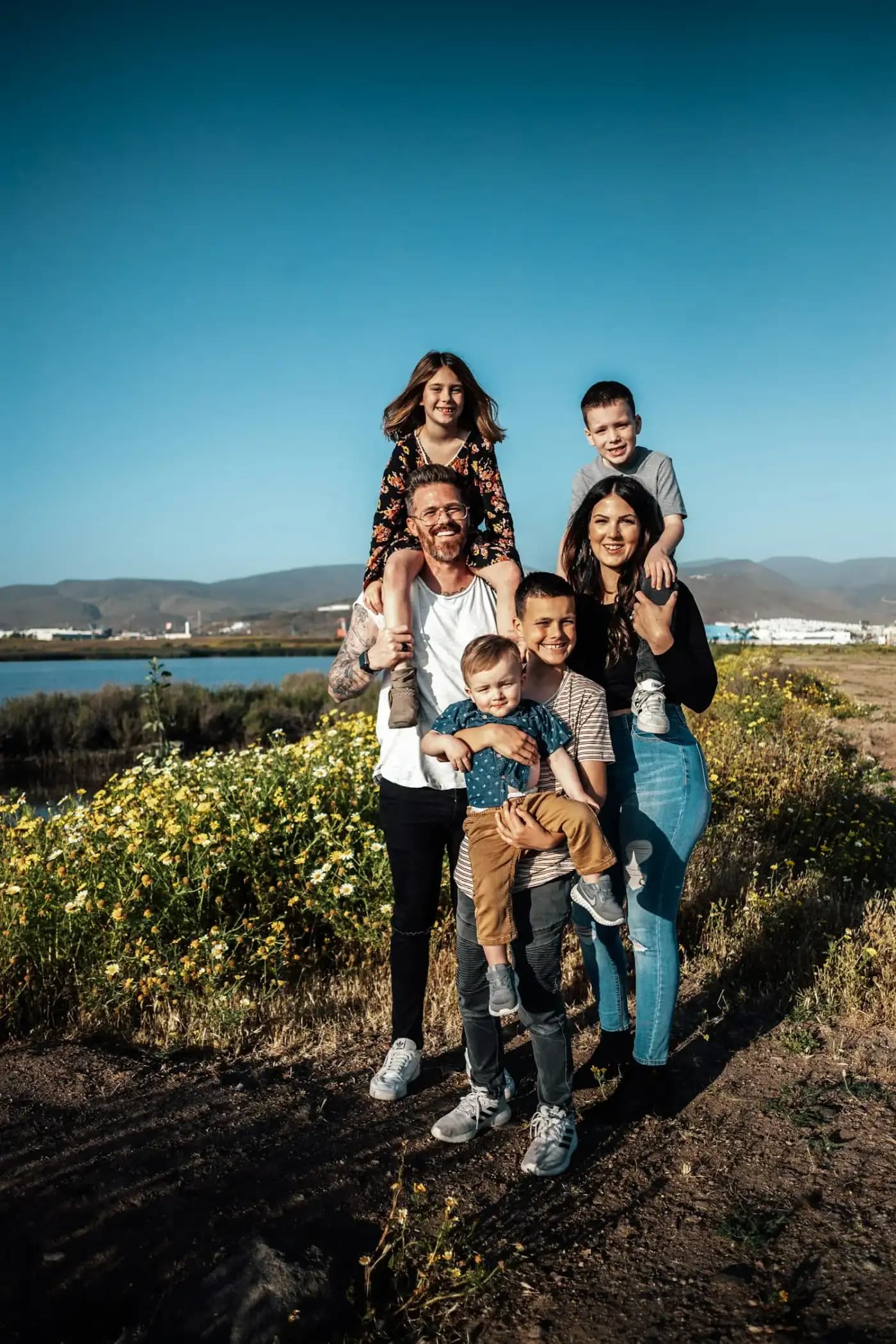
A whole family outdoors
Your grandparents’ Brazilian Portuguese should not end with them.
  • Finally understand what is said at the table, and answer back.
  • “Hi Mum, I speak Brazilian Portuguese!”

A language is passed down from generation to generation. Now it is your turn.

Start Brazilian Portuguese for free

About this kit

Brazilian Portuguese is spoken by more than 200 million people in Brazil. From Sao Paulo to Rio, from Salvador da Bahia to Manaus: with this kit, you have the bare minimum to get by in Brazil and to recognize the Brazilian variant, more sing-song and open than European Portuguese.

Brazilian Portuguese is the native language of more than 200 million people in Brazil, by far the largest Lusophone community in the world. The Brazilian variant differs from the European one in its musicality: open vowels, palatalized "d" and "t" before "i" or final "e" sounding like "dji" and "tchi", guttural "r" at the start of words in several regions, final "s" that does not hiss. This sing-song pronunciation gives Brazilian a reputation for accessibility among French speakers, who often find it easier to understand than European Portuguese. Vocabulary also diverges on daily words: "trem" (train) instead of "comboio", "banheiro" (toilet) instead of "casa de banho", "cafe da manha" (breakfast) instead of "pequeno-almoco", "onibus" (bus) instead of "autocarro". Culturally, Brazil has developed a unique Lusophone identity: music (samba, bossa nova, forro, funk), cuisine (feijoada, acai, churrasco), football, beaches, syncretic religiosity. Relationship with time is more flexible, physical contact more pronounced, and "jeitinho" (the little workaround) permeates daily life. This kit gathers the bare essentials to handle an airport arrival, a taxi ride, a restaurant order, a medical emergency and a smooth departure. You will find indispensable greetings, survival phrases for orientation, key words for eating and sleeping, as well as cultural tips to avoid faux pas. Memorize these expressions before leaving and you will gain confidence from the very first hours on site.

They trust Targumi

They used Targumi to learn a language

4.9Excellent onTrustpilot

In their own words

Armande Learning Moroccan DarijaRated Targumi 5/5
Walid Learning Moroccan DarijaRated Targumi 5/5
Leonie Learning Moroccan DarijaRated Targumi 5/5
Marta Learning SpanishRated Targumi 5/5
Whitney Learning PolishRated Targumi 5/5
Didier Learning Moroccan DarijaRated Targumi 5/5
Dorian Learning Algerian DarijaRated Targumi 5/5
Isabelle Learning Moroccan DarijaRated Targumi 5/5
Patrick Learning Moroccan DarijaRated Targumi 5/5
Samia Learning Sudanese ArabicRated Targumi 5/5
Amina Learning Egyptian ArabicRated Targumi 5/5
Mélanie Learning Algerian DarijaRated Targumi 5/5
Hossin Learning EnglishRated Targumi 5/5
Soahary Learning EnglishRated Targumi 5/5
Start Brazilian Portuguese for free
  • 7-day free trial
  • No commitment
  • Cancel in 1 click

Go further in Brazilian Portuguese

All Targumi resources for this language.

Brazilian Portuguese level test

Assess your CEFR level in 5 minutes.

Brazilian Portuguese cultural quiz

Films, music, traditions. How well do you know?

Brazilian Portuguese articles

Guides, methods and tips to progress.

Brazilian Portuguese vocabulary

Essential words and phrases organised by themes.

Cultural resources

Films, series, podcasts and music to immerse yourself.

Start now

Live classes with a bilingual native teacher. First lessons free.