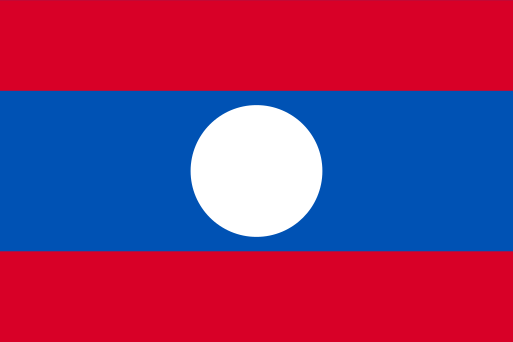
Master Lao greetings! Learn sabaidee, traditional nop gesture, and Buddhist expressions for authentic connections in Laos.
- Sabaidee , Universal hello
- Nop gesture etiquette
- Buddhist greetings
- Responses and etiquette
- Cultural context
1. Sabaidee , Universal Hello
Sabaidee (pronounced: sa-bai-dee) is the standard greeting in Lao, meaning "How are you?" or "Hello."
Pronunciation breakdown:
- Sa: "sa" as in "car"
- bai: "bye" sound
- dee: "dee" as in "deep"
Usage:
- Any time of day
- All social situations
- Safe universal greeting
- Formal and informal contexts
2. Nop Gesture Etiquette
The nop (hands pressed together) accompanies verbal greetings:
Basic nop:
- Palms pressed together
- Fingers pointing upward
- Positioned at chest level
Respectful variations:
- Chest level: for peers and younger people
- Chin level: for elders and respected individuals
- Forehead level: for monks and very high status
3. Buddhist Greetings
For monks
Chao pho (chao pho) = Respectful address for monks Must use high nop position
Religious greeting
Namo Buddhaya (na-mo bood-da-ya) = "Honor to the Buddha"
4. Responses and Etiquette
Standard responses:
- Sabaidee (mirror the greeting)
- Sabaidee lei (sa-bai-dee lay) = "Very well"
- Khop chai (kop chai) = "Thank you"
Proper etiquette:
- Always return nop gesture
- Smile is essential
- Maintain humble demeanor
- Avoid pointing feet toward people
5. Cultural Context
Lao greetings reflect:
- Buddhist values - compassion and respect
- Hierarchy awareness - proper gestures for different status levels
- Community harmony - greetings maintain social peace
- Traditional culture - preserving ancient customs
In Lao culture, the manner of greeting reveals understanding of proper social behavior and Buddhist principles.
Ready to Learn More Lao?
Start speaking Lao naturally with our progressive courses.
Sources and References
- Lao, Ethnologue: Lao is spoken by about 7 million native speakers. Language family: Tai-Kadai family.
- Wikipedia, Lao: encyclopedic information on the language, its geographic area and official status.
- Targumi, Learn Lao: courses with carefully selected native teachers.
Further Reading
- Learn Lao on Targumi, courses with native teachers
- All languages on Targumi, 106 languages taught


 Learning Moroccan Darija
 Learning Spanish
 Learning Polish
 Learning Algerian Darija
 Learning Sudanese Arabic
 Learning Egyptian Arabic
 Learning English